Winter Fat Bike in the Laurentians: Everything You Need to Know Before Buying
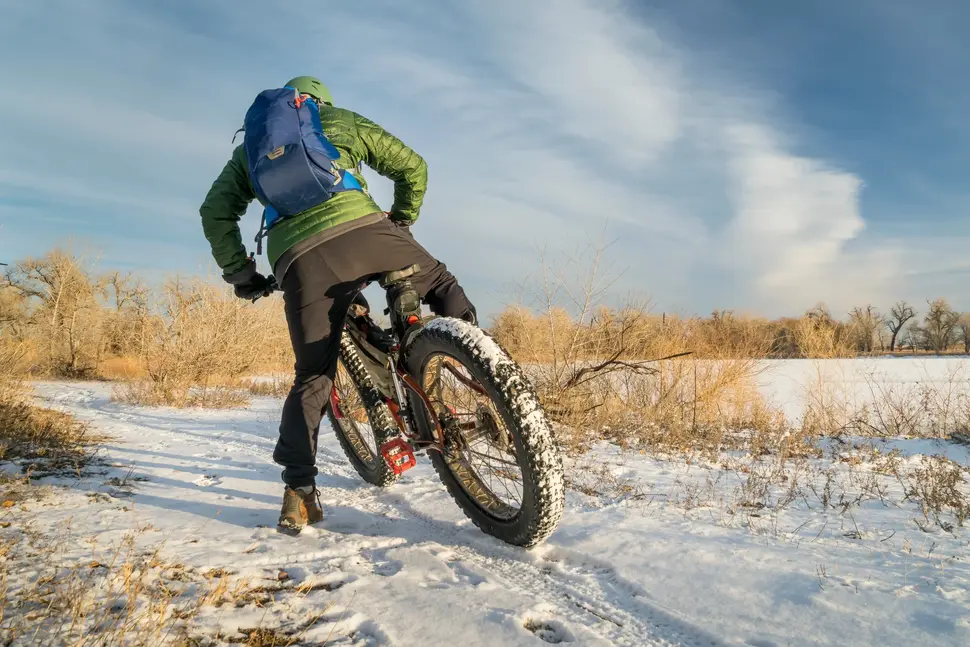
December arrives. The trails fill with snow, temperatures drop, and suddenly something you'd been seeing around without quite understanding starts to make sense: the fat bike. Oversized tires, a geometry unlike anything else, and the idea that you can keep riding when most cyclists put their bikes away for four months.
In the Laurentians, it's one of the only regions in Quebec where you can seriously get into it without driving three hours to find groomed trails. The packed trails at Val-David, Sainte-Adèle, Mont-Tremblant, and Bois de Belle-Rivière are just 30 minutes from home.
So the question isn't whether you should try fat biking. It's how to get started without spending $3,000 only to discover you'd rather ski. That's exactly what this article is about.
To situate the fat bike within the broader cycling ecosystem for the region, also read our guide on what type of bike to choose for riding in the Laurentians.
Why fat biking makes sense in the Laurentians in winter
The Laurentians have something few regions in Canada can offer: a network of maintained fat bike trails within easy reach of urban centres. Parc régional Val-David–Val-Morin, Mont Loup-Garou in Sainte-Adèle, the P'tit Train du Nord in winter mode, Parc national d'Oka, Bois de Belle-Rivière. All groomed, marked, and accessible.
And the sport is growing fast. What was considered a niche activity ten years ago has become a four-season sport. Rental shops in Mont-Tremblant and Sainte-Adèle are fully booked on December and January days. Local events like the Défi Fat Bike draw bigger crowds every year.
For anyone living in Prévost, Saint-Sauveur, Saint-Jérôme, or further up in the Laurentians, fat biking is the most direct way to stay on two wheels twelve months a year.
What makes a fat bike different
A fat bike isn't just a mountain bike with bigger tires. A few fundamental differences are worth understanding before buying one.
The tires
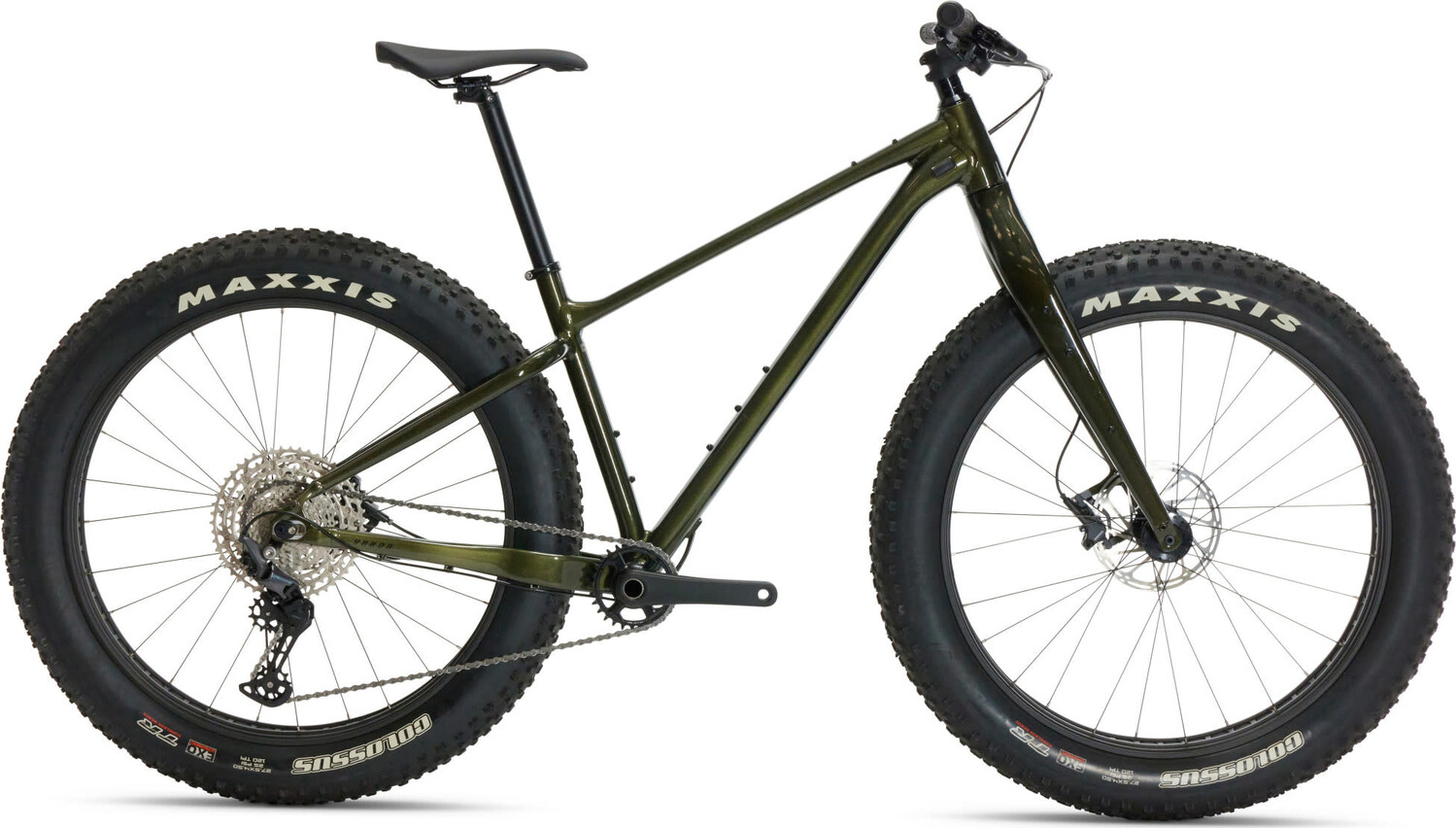
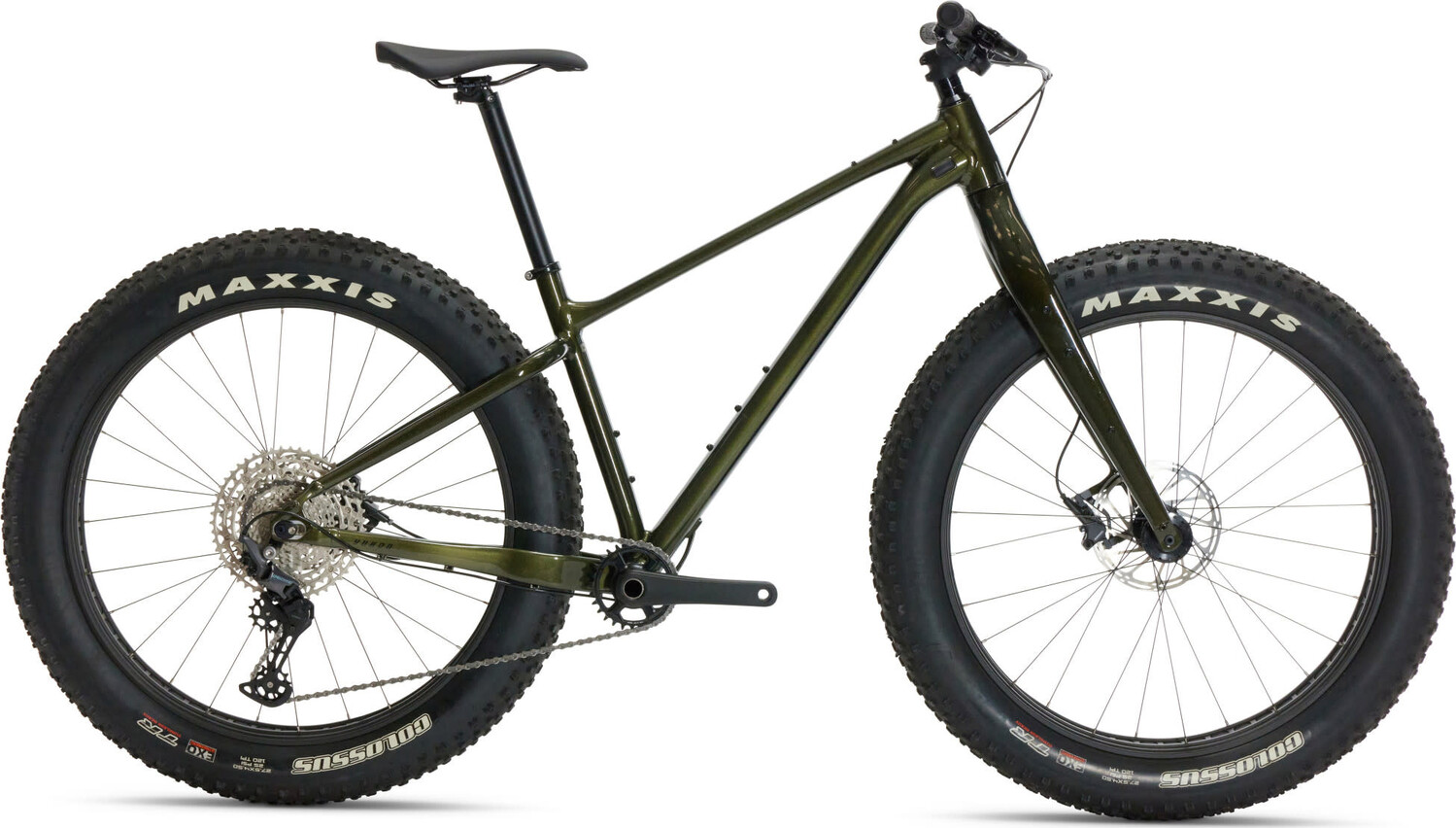
That's the central element. We're talking tires 3.8 to 5 inches wide (sometimes more), mounted on very wide rims. This massive contact patch does two things: it floats over packed snow, and it grips surfaces where a standard MTB tire would wash out.
Pressure matters enormously. On firm packed snow, you typically run 6 to 12 PSI. On fresh or soft snow, you sometimes drop to 4–5 PSI. This low pressure is what transforms the bike into a four-season machine — it's a habit to develop, different from what you're used to on a regular mountain bike.
Frame and geometry
Fat bike frames are designed to accommodate these massive tires. The wheelbase is generally longer, the bottom bracket wider (to clear the tires), and the chainstays longer. The result is superior stability at low speeds — exactly what you want on snow.
Mechanical or electric?
Both exist, and each has its place. A mechanical fat bike is lighter, simpler to maintain, and ideal if you want the physical workout. An electric fat bike lets you go further, string together longer rides without burning out, and enjoy the descents after saving your energy on the climbs. For winter in the Laurentians, where the elevation changes are real and rolling resistance is significant, the electric fat bike is winning over more and more riders.
Where to ride fat bikes in the Laurentians
A few local destinations are worth knowing. Without going into full detail (other sites cover that better than us), here are the key spots:
-
Parc régional Val-David–Val-Morin — the most complete network, rigorous grooming, all levels
-
Mont Loup-Garou (Sainte-Adèle) — 18 km of trails purpose-built for fat biking
-
Parc national d'Oka (Sépaq) — accessible, beautiful scenery, perfect for beginners
-
P'tit Train du Nord in winter — groomed fat bike section between Saint-Jérôme and Val-David
-
Bois de Belle-Rivière (Mirabel) — on-site rentals available, ideal for family outings
For a more complete list, see our article on the best cycling trails in the Laurentians in 2026.
Rent before you buy: why it's the best decision you can make
Here's the advice we give to 9 out of 10 people who walk into the shop thinking about buying their first fat bike: rent one first. Once, twice, three times. Then we talk about buying.
Why? Because nothing replaces an actual ride on snow for understanding what you like and what you don't.
What a rental outing will actually teach you
-
Whether you actually enjoy it. Fat biking is physically demanding, especially the first few times. Rolling resistance is high, temperatures are cold, and the first outing is often uncomfortable. Better to find that out on a rental than on a bike you just bought.
-
Which type of fat bike suits you. Mechanical vs electric, wheel size, suspension travel (yes, some fat bikes have it) — you won't really know until you've tried.
-
How many rides you'll actually do in a season. A lot of people picture themselves out every weekend. In practice, it's often 6 to 10 rides per winter. At $50–80 per outing, you can test the waters before committing.
-
What gear you're missing. Toque under the helmet, insulated mittens, eye protection against the wind, breathable layers — one rental ride quickly reveals what you need to pick up alongside the bike.
What it costs at RST
We offer two main options:
-
Fat bike rental — 4 hours — for a half-day or an initial try
-
Fat bike rental — full day — for a proper outing or to test across multiple trails
All current options and pricing are on our fat bike rental page. We also lend you a helmet and help you dial in tire pressure for the day's conditions.
When to make the jump to buying
There are generally three clear signs you're ready to buy.
1. You've done at least 4 to 5 rides. You know what you like, you know where you ride most often, and you have a realistic sense of how many outings you'll actually fit in per winter.
2. You start doing the math. If you're planning 12 rides this winter at $60 a day, that's $720 — already the equivalent of a down payment on an entry-level fat bike.
3. You have specific preferences — on brand, format (mechanical or electric), and options. That's the sign you know what you're buying.
Mechanical fat bike: who is it for?
If you want simplicity, controlled weight, and pure physical effort, mechanical is still the default choice. Entry-level budget: $1,200 to $2,000 for a solid model. Beyond that, you're looking at carbon frames, premium components, and upgraded drivetrains.
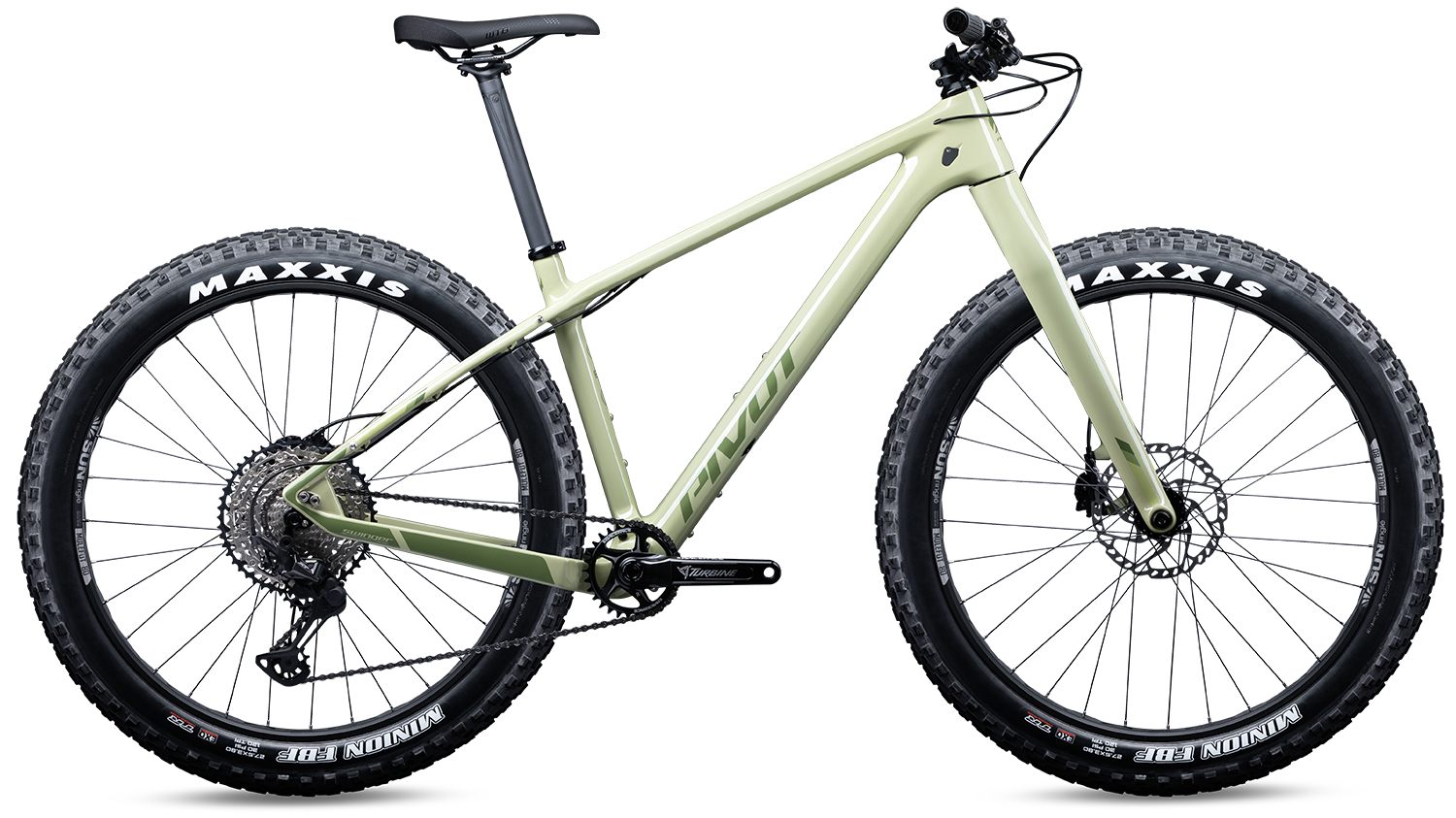
Our Pivot LES Fat Pro XT is an excellent example of what the best mechanical fat bikes can offer — a light, precise bike that changes the experience once you've made the serious commitment to buy.
Electric fat bike: who is it for?
If you want to extend your rides, climb without suffering, or simply enjoy the descents more than the climbs, the electric fat bike has exploded in popularity. Entry-level budget: around $3,500, and it climbs quickly with motor and battery quality. For winter in the Laurentians, where cold affects battery range, that's a factor to take seriously when choosing.
Realistic budget to plan for
For a complete setup (bike + helmet + appropriate clothing), expect:
-
Entry-level mechanical: $1,500 – $2,500 all in
-
Mid-range mechanical: $2,500 – $4,000
-
Entry-level electric: $4,000 – $5,500
-
Mid-range electric: $5,500 – $8,000
Browse all our fat bikes to compare available models in store.
Maintenance: what nobody tells you about winter riding
A winter fat bike is harder on equipment than a road bike or MTB in season. Road salt (if you cross any pavement), grit, and moisture all attack the drivetrain and brakes.
A few basic rules:
-
Rinse the bike after any ride where it's been exposed to salt or calcium chloride
-
Lubricate the chain with a cold-weather lubricant (road oils freeze)
-
Check tire pressure before every ride — outside temperature can cause it to drop
-
Do a full tune-up at the start of the season
Our bike preparation checklist applies to fat bikes too, with a few adjustments.
FAQ
Do you need an electric fat bike to start winter riding in the Laurentians? No. An entry-level mechanical fat bike is more than enough for your first rides. Electric becomes relevant if you want long outings, lots of elevation, or want to ride in a group with mixed fitness levels.
When is the best time to fat bike in the Laurentians? The season typically runs from mid-December to late March, depending on snowfall. January and February are the most reliable months. Avoid full thaws — slushy snow isn't fun.
Can you fat bike at -20°C? Yes, with the right gear. Insulated mittens (not thin gloves), anti-fog goggles, a thermal base layer under your shell, and a warm-up break mid-ride if possible. It's harder on your body than on the bike's mechanics.
How long does an electric fat bike battery last in winter? Cold reduces range by 20 to 30% on average. A battery that gives 60 km in autumn will deliver closer to 40 to 45 km at -10°C. Factor that into your ride planning.
Do you need studded tires? Only if you regularly ride on icy trails or road sections between trails. For pure packed snow, standard tires are sufficient.
What size fat bike should you choose? Like a mountain bike, it depends on your height and riding style. Fat bikes come in several frame sizes. The best approach: try one on a rental before buying, or come into the shop and we'll point you in the right direction.
Our advice: start by trying.
Winter in the Laurentians is too short to spend it hesitating. If you've read this far, you're probably one or two trails away from becoming hooked.
Book a fat bike rental at RST for your next weekend. Head out to Mont Loup-Garou or Val-David. Come back and see us after. If you're hooked, we'll have every serious conversation about which fat bike to buy — based on how you ride, your budget, and the trails you plan to spend your winters on.
That's how most of our fat bike customers became owners: one rental, one revelation, one purchase. In that order.
Recent articles
View all
How to Choose the Right Bike in 2026: A Guide by Riding Style
Gravel vs Road Bike: Which One Should You Choose for the Laurentians?