How to Choose the Right Bike in 2026: A Guide by Riding Style
You walk into a bike shop in 2026 and someone asks: road, gravel, MTB, hybrid, or electric? If the question leaves you stumped, you're in good company. The problem with most buying guides is they start with the bike and work toward the rider. We do the opposite here: we start with what you're actually going to do, and work our way to the right bike.
At RST in Prévost, we have this conversation with customers every day. Here's how it usually goes.
The Real First Question: Where and How Do You Ride?
Before talking brands, suspension, or Shimano groupsets, one question matters: describe your typical ride. Not the ideal ride you might do two years from now — the ride you're actually going to do next Saturday.
Three sub-questions that narrow everything down:
- Where do you start? From your front door, from a trailhead parking lot, from a specific spot?
- What surface do you ride mostly? Pavement, gravel, trails, bike paths, a mix?
- What are you after? Speed, adventure, comfort, cardio, exploration?
The answers to those three questions will easily eliminate two or three bike categories and point you straight to the right direction.
Scenario 1 — You Ride on Pavement and Speed Matters
Profile: You head out from Prévost and take the country roads, the secondary Route 117, or the paved section of the P'tit Train du Nord. You want to go fast, feel the effort, and come back with tired legs. You're not planning to leave the pavement.
The right bike: road bike.
A light frame (aluminum or carbon), narrow tires (25 to 28 mm), an aggressive position, and large gear ratios — all optimized for one thing: performance on hard surfaces. If you want to chase KOMs or ride in a fast-paced group, this is what you need.
If you already know you want a bit more comfort on long rides without sacrificing performance, an endurance road bike (slightly more upright geometry, slightly wider tires) is the smart compromise.
Check out our road bike selection to see what we have in stock.
Scenario 2 — You Want to Ride Trails
Profile: You want to access the trails at Mont-Gabriel, Sainte-Anne-des-Lacs, or the Corridor Aérobique. You know it climbs, it descends, the ground is variable, and you want to have fun out there.
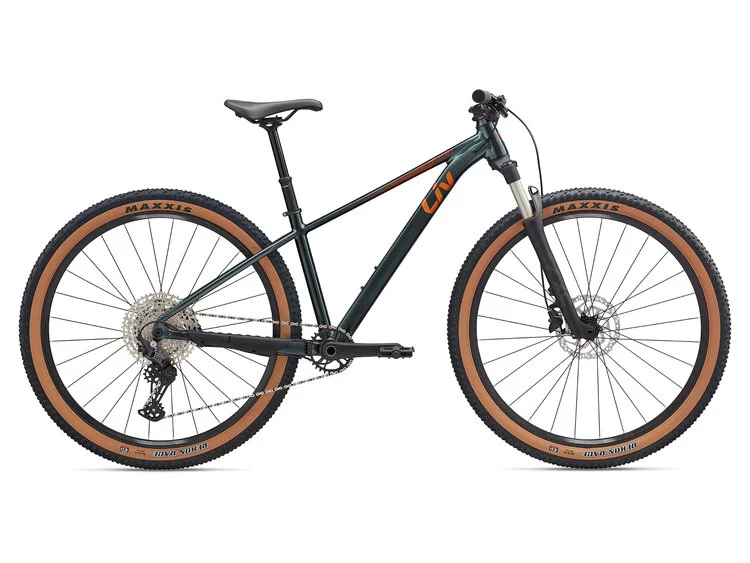
The right bike: mountain bike.
The question here isn't so much "which type of bike" as "which type of MTB." For Laurentians trails, we see two main profiles:
A Trail MTB (120–140 mm travel) suits the vast majority of riders. It climbs well, descends with confidence, and doesn't wear you out on the connector sections. It's the right call for someone who wants full rides with climbing and descending in equal measure.
An Enduro MTB (150–170 mm) is built for riders who want to push hard on descents and treat the climbs as a necessary evil to get to what they love. Heavier, more capable on technical terrain.
If you're just getting into trail riding, a trail MTB is almost always the right answer. Check out our mountain bike selection.
Scenario 3 — You Want to Do Both: Road and Dirt
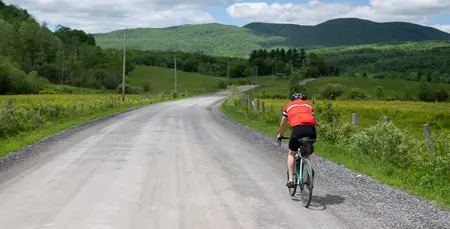
Profile: You leave Prévost, join the P'tit Train du Nord, take a few country roads, turn onto a gravel path. All in the same ride. Without switching bikes.
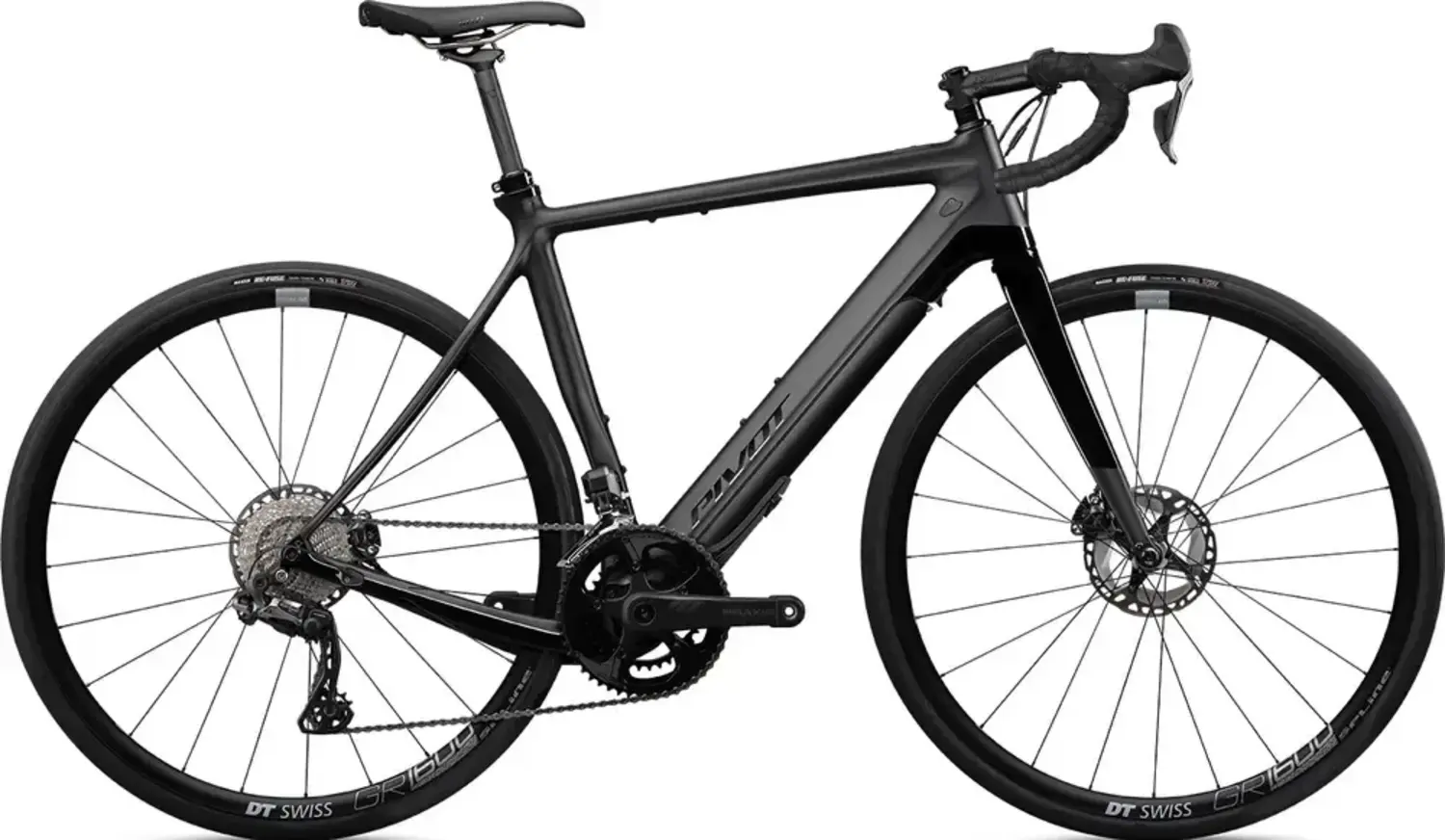
The right bike: gravel.
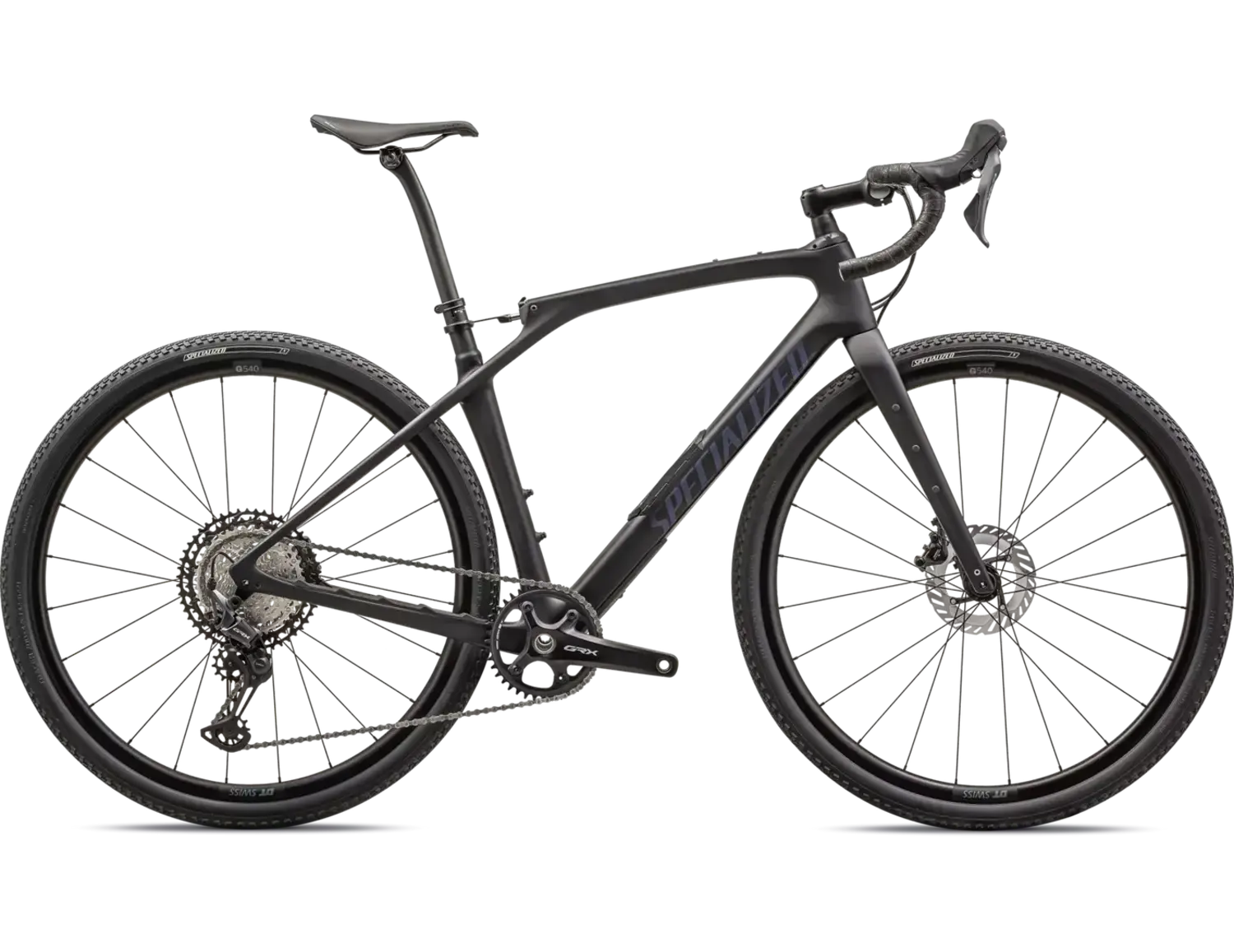
That's exactly the versatility gravel bikes were designed for. Wider tires (35 to 45 mm), more stable geometry than a road bike, enough clearance to handle rough surfaces — but a drop handlebar frame with a drivetrain that stays efficient on pavement. You give up a little pure speed compared to a road bike. You gain a freedom of route that a road bike simply can't offer.
For the Laurentians especially, a lot of cyclists end up choosing gravel precisely because it matches what the network actually looks like here: a smooth bike path that spills onto a gravel road that leads to a forest climb.
See our gravel bike selection.
Scenario 4 — You Want to Reduce Effort or Go Further
Profile: You're getting back on a bike after a break. Or you're riding with people whose legs are in a different place than yours. Or you want to get out for an hour without destroying yourself, but still move. Or the Laurentians hills are a little discouraging.
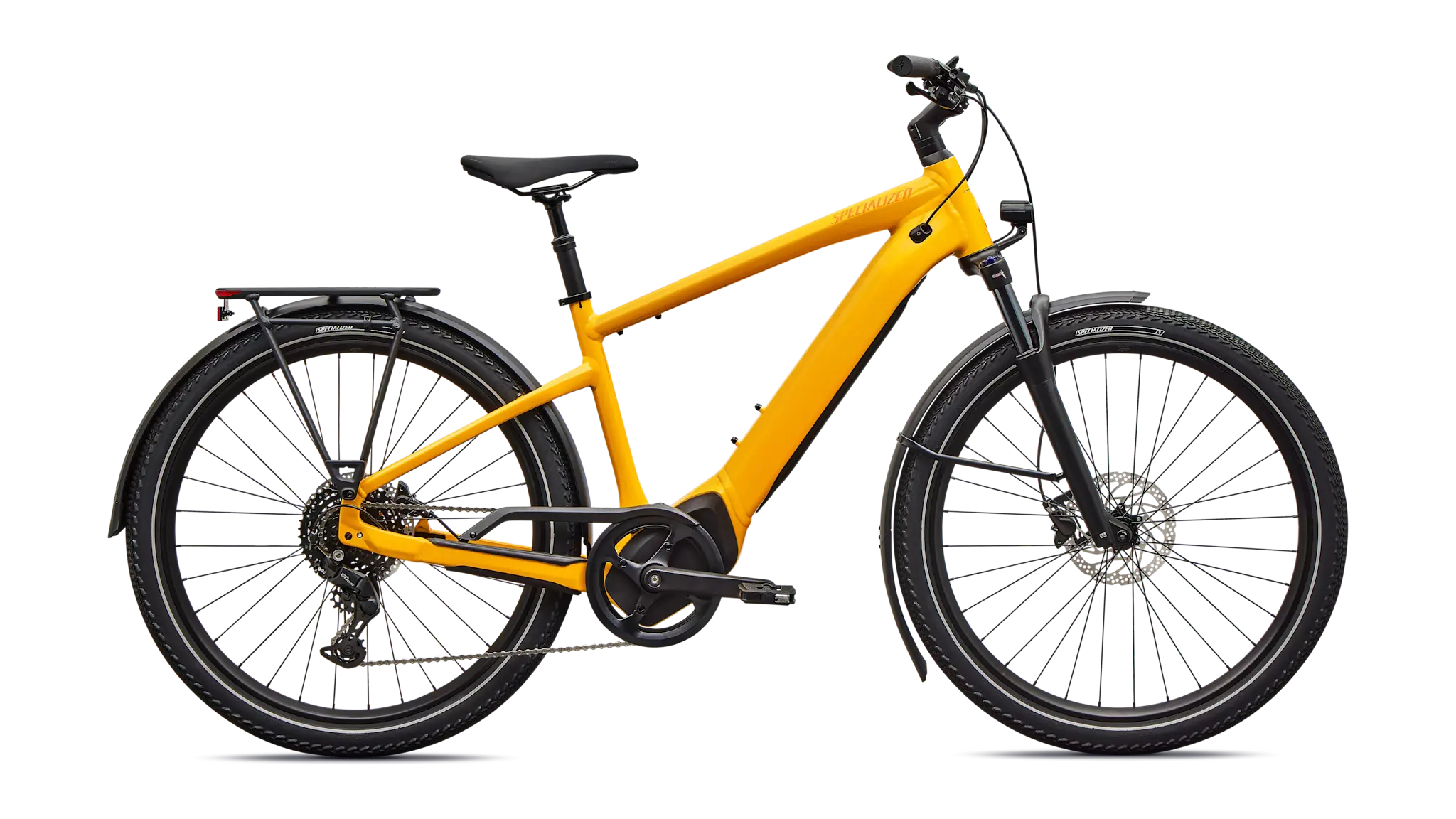
The right bike: e-bike.
An e-bike (electric assist bicycle) doesn't do the work for you — it amplifies yours. You keep pedalling; the motor adds power when you need it, especially on climbs. What changes: you can cover more distance, handle bigger elevation gain, and ride with people of different fitness levels without anyone waiting around.
E-bikes now come in almost every format: hybrid for city and bike paths, mountain for trails, gravel for mixed terrain. The key spec to look at is battery range based on the terrain you're planning to ride.
Check out our electric bike selection.
Scenario 5 — You Want Something Versatile for Everything
Profile: You don't have a specific riding style in mind. You want an all-purpose bike for bike paths, some country roads, recreational rides. Comfort above all.
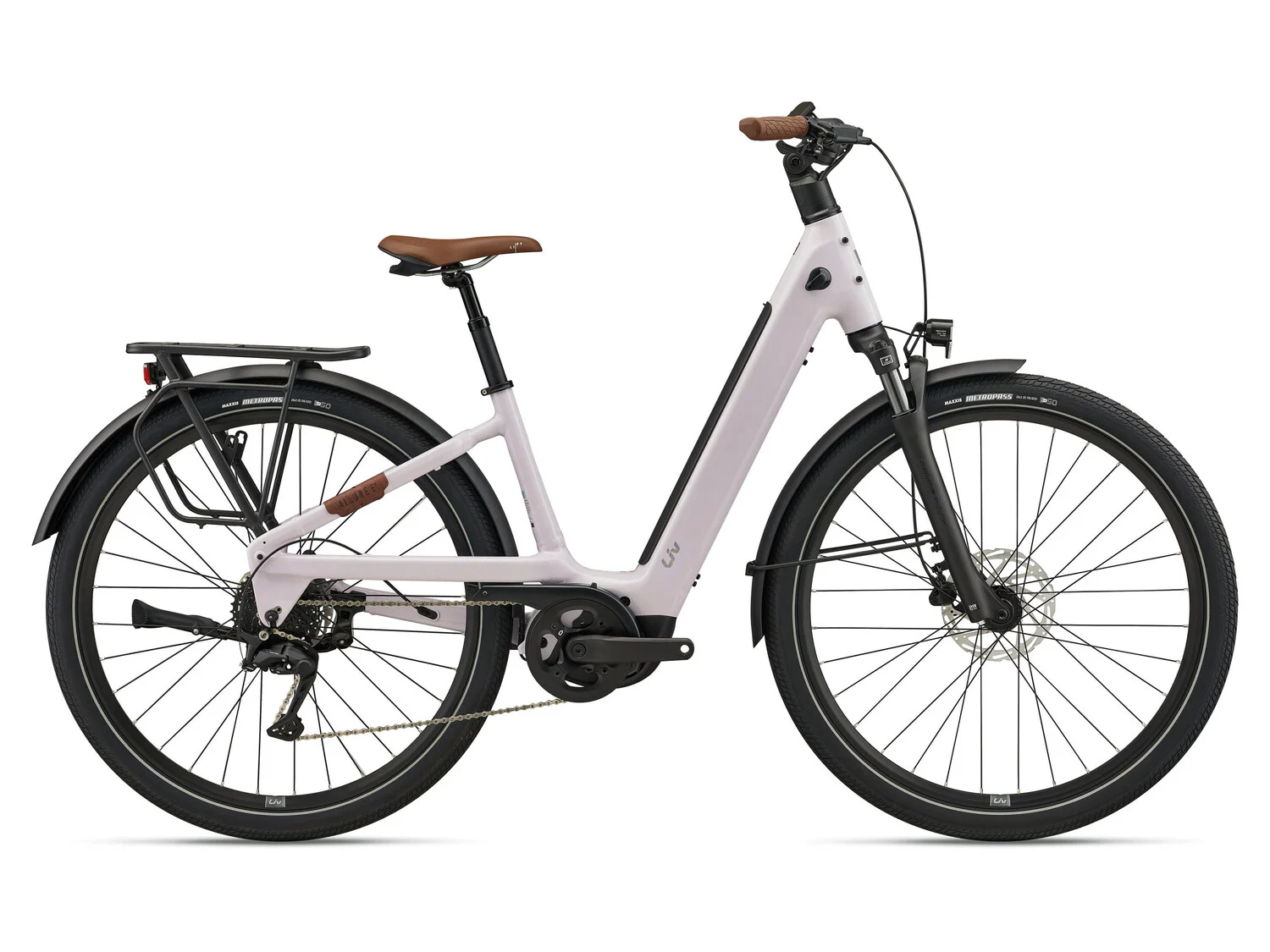
The right bike: hybrid.
The hybrid is often underrated because it's not the best at any one thing. But for general use, it's often the smartest choice. Upright, comfortable position, medium-width tires (35–45 mm), compatibility with racks and fenders. You won't break any records, but you'll ride with pleasure.
Summary Table
| Scenario | Recommended bike | Keep in mind |
|---|---|---|
| Pavement, speed, performance | Road bike | Endurance if comfort matters |
| Trails, MTB, elevation | Trail or Enduro MTB | Trail for most riders, Enduro for descents |
| Road and gravel mix | Gravel | Best fit for the Laurentians' varied terrain |
| Reduce effort, go further | E-bike | Available in mountain, gravel, hybrid versions |
| Bike paths, recreational riding | Hybrid | Comfortable, practical, no-fuss |
Frequently Asked Questions
What bike for a first season in the Laurentians?
It depends on where you plan to ride. If it's mostly the P'tit Train du Nord and country roads, a gravel or road bike makes sense. If you want to access MTB trails, start with a mid-range trail bike. When in doubt, come see us — three questions and we'll have an answer pretty quickly.
What's the most versatile bike?
The gravel bike currently covers the widest range of riding in a single machine: pavement, gravel, forest paths, long distances. For someone who only wants one bike and rides a mix of surfaces, it's the natural candidate.
Can a gravel bike replace a mountain bike?
On easy green trails, yes. On technical singletrack with roots, rocks, and fast descents, no. An MTB's geometry and suspension are designed for terrain a gravel bike can't handle safely or comfortably. They're two different tools for two sports that look similar but diverge quickly once the terrain gets technical.
How do I choose the right size?
Size depends on your height, inseam, and the specific geometry of the model — which varies from brand to brand. We always recommend checking the manufacturer's sizing chart and doing a test ride. In the shop, we take the time to fit you properly — it's a step we never skip.
Should I buy new or used?
Both have a place. A used bike in good condition can be a solid entry point, especially if you're not sure about your riding style yet. A new bike gives you the manufacturer's warranty and up-to-date components. For regular riding, or if you already know what you want, new is usually worth the investment.
We're in Prévost, open all week. If you still have doubts after reading this — that's normal, and it's fine — come try. It's in the saddle that the choice really confirms itself.
See all our bikes or check out our guide on which type of bike to choose for riding in the Laurentians for a more local perspective.
Recent articles
View all
Gravel vs Road Bike: Which One Should You Choose for the Laurentians?
Best Gravel Routes in the Laurentians: The RST Team Guide