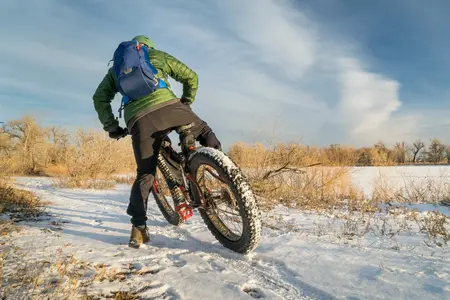
Gravel vs Road Bike: Which One Should You Choose for the Laurentians?
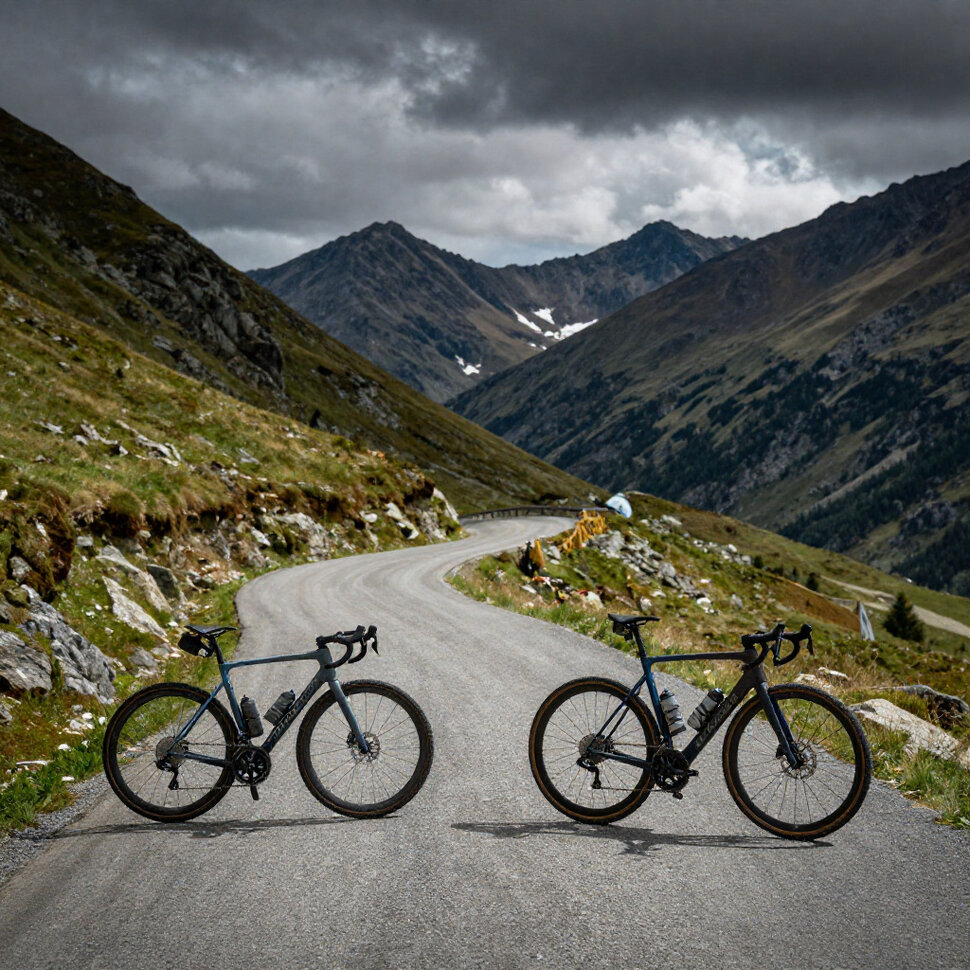
The P'tit Train du Nord trail runs from Saint-Jérôme all the way to Mont-Laurier over 232 km. From start to finish, the surface changes several times: smooth, well-maintained asphalt, packed limestone dust, coarse gravel at certain branches, and some dirt sections north of Val-David. If you ride regularly in the Laurentians, that variety of surfaces is relevant to you — no matter where in the region you live.
At RST, we're in Prévost, right on the trail. We've been fielding the gravel-vs-road-bike question from customers since the start of the season to close. Most of them don't have a riding style that fits neatly into one box. Here's how we work through it with them.
What Actually Separates the Two Bikes
The fundamental difference comes down to three things: frame geometry, tires, and drivetrain.
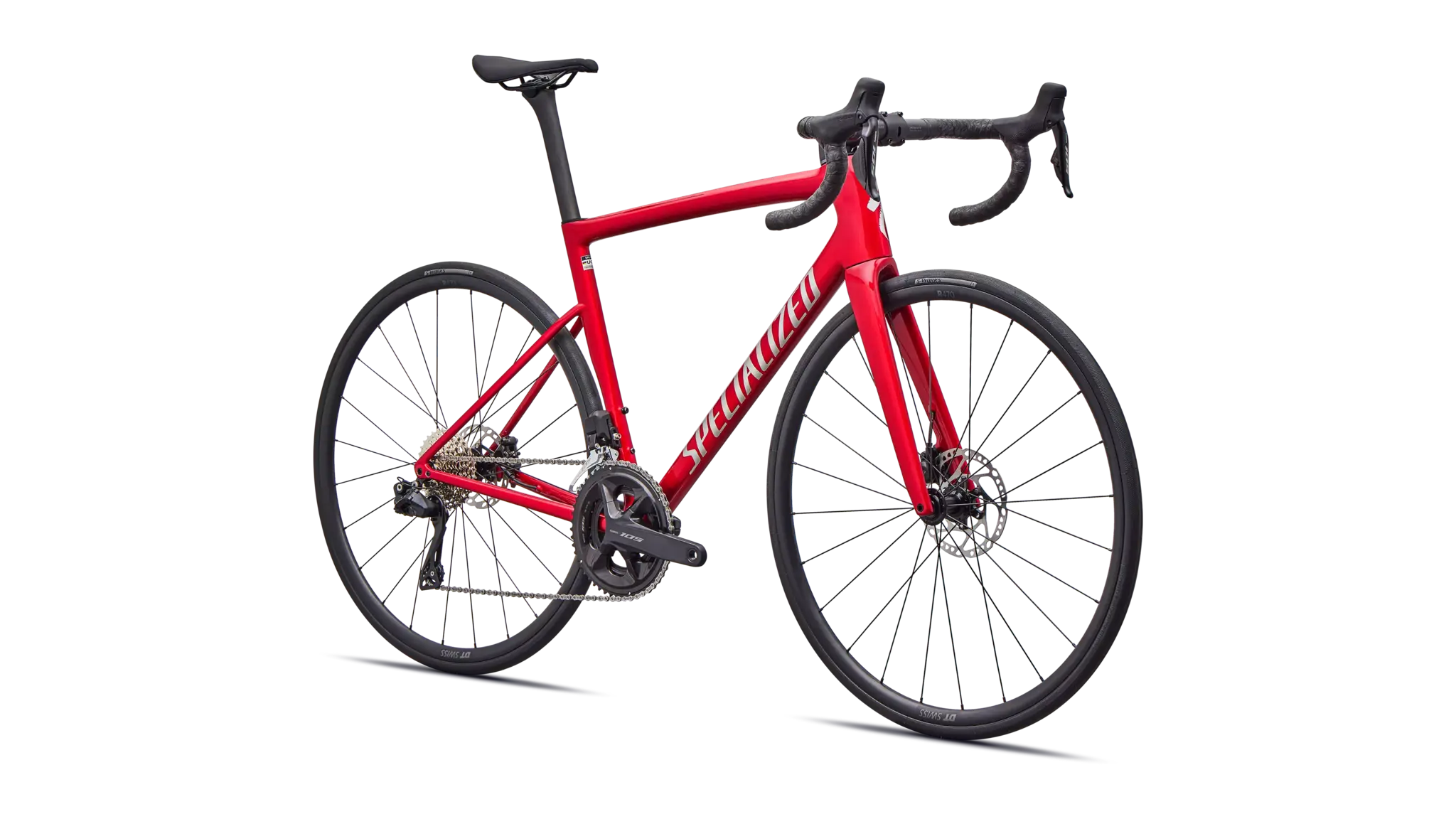
A road bike is built for one thing: going fast on pavement. Light and stiff frame — usually aluminum or carbon — low and stretched-out position, narrow tires at 25 to 28 mm, and big gear ratios. Everything is optimized to minimize rolling resistance and transfer maximum power to the ground with every pedal stroke. On a smooth road, it's the best option there is.
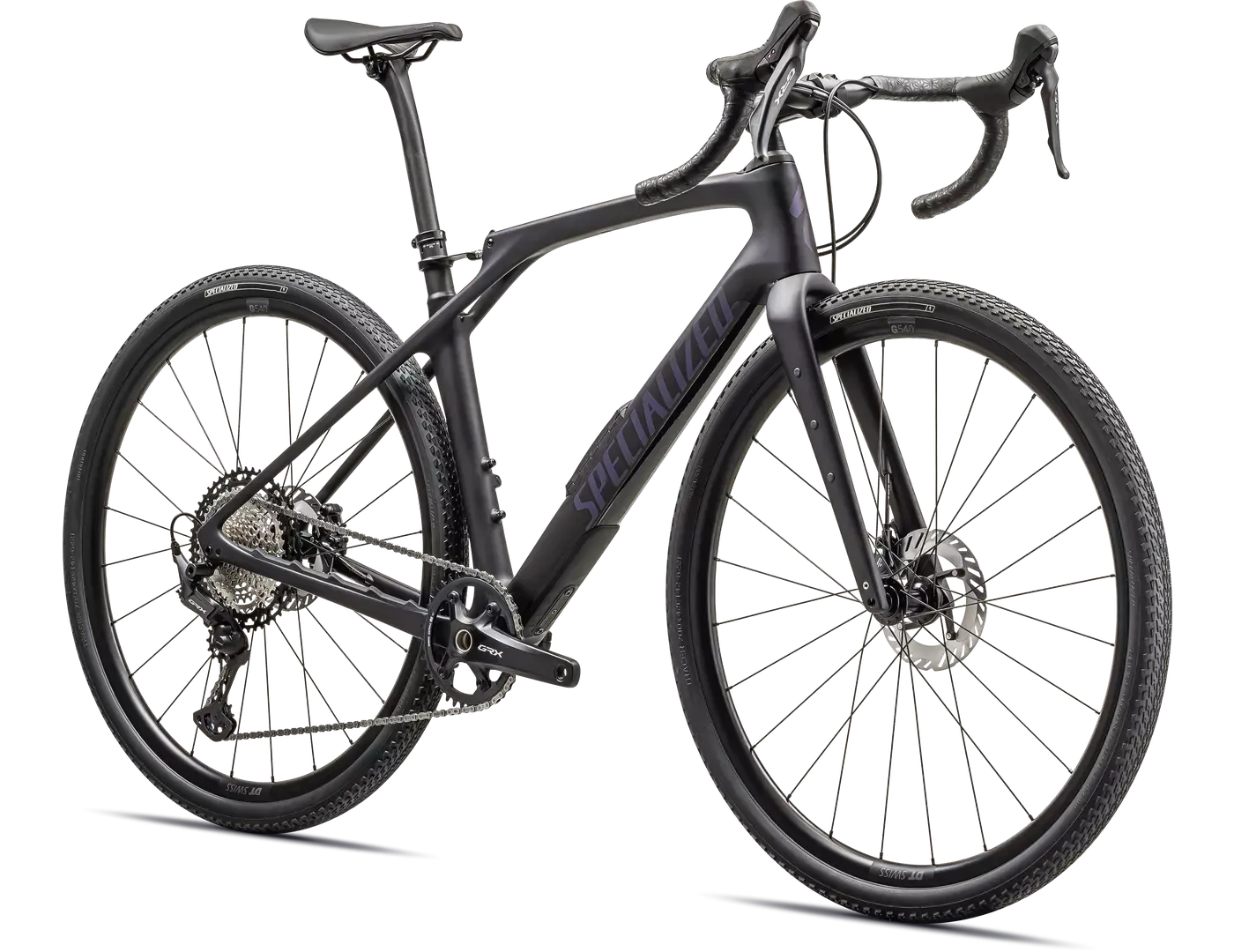
A gravel bike works on a different principle: be versatile without being bad at anything. The wheelbase is longer, which adds stability on uneven surfaces. The bottom bracket sits a little higher to give the pedals clearance over rough terrain. Tires are wider — typically 35 to 45 mm — and absorb vibrations and small shocks much better. Drivetrains run lower gears, often a single chainring with cassettes up to 44 teeth, which helps on technical climbs or on surfaces where you need to vary your cadence often.
There are also practical details that make a real difference. Gravel bikes come with mounts for frame bags, saddle bags, and handlebar bags, making them bikepacking-ready. Pedals are typically dual-sided and compatible with two-bolt clipless shoes, which stay walkable. That last point seems minor until you're pushing your bike a few hundred metres through mud or carrying over a rock section.
On the P'tit Train: What the Surface Actually Demands
The P'tit Train du Nord trail isn't uniform from one end to the other — and that's where the choice becomes more concrete than it looks on paper.
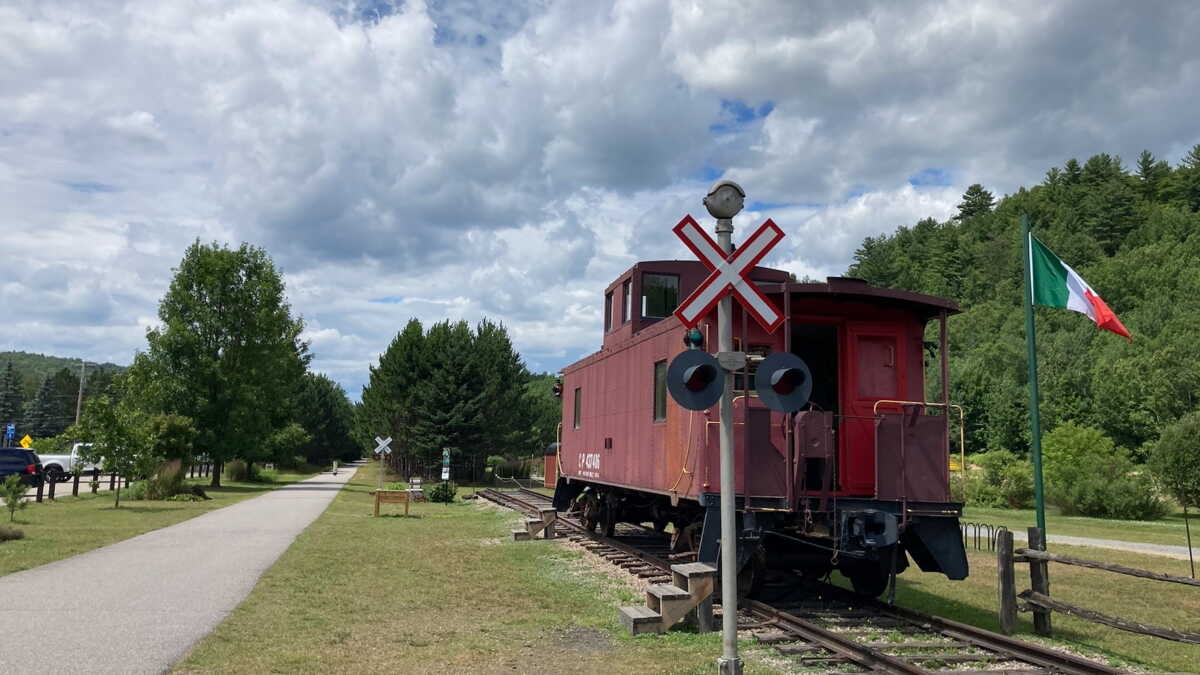
Between Saint-Jérôme and Val-David, the surface is mostly paved, even, and well maintained. Cyclists riding this section at a steady tempo are perfectly comfortable on a road bike. The climbs around Saint-Sauveur or Val-Morin don't ask anything special of your drivetrain, and narrow tires handle this kind of surface just fine. If your entire riding life takes place in this zone, a road bike will serve you well.
Between Val-David and Mont-Laurier, the picture changes. The trail shifts to packed limestone dust in places, with rougher sections and coarse gravel at certain branches. If you're riding this stretch on 25 mm road tires, you'll be managing the surface rather than riding freely. It's doable, but you'll spend your attention on the ground instead of on pedalling.
What we hear regularly from customers in Sainte-Agathe, Val-David, or Mont-Tremblant: they want to leave from home, join the trail, and be able to branch off onto a secondary road or gravel path mid-ride — sometimes in the same outing. A gravel bike makes that possible. A road bike doesn't.
On the other hand, if you're driving up from south of the region with your bike in the trunk to ride only the paved section and head home that evening, a road bike will give you a better experience. You'll feel the difference from the first pedal stroke.
By the Numbers: What Actually Changes
| Spec | Road bike | Gravel bike |
|---|---|---|
| Tire width | 25 to 28 mm | 35 to 45 mm |
| Geometry | Aggressive, low position | More upright, longer wheelbase |
| Surfaces | Smooth pavement | Pavement, gravel, dirt |
| Typical weight | 8 to 10 kg | 9 to 12 kg |
| Gearing | Large chainrings, 11-28/32 cassette | Single or double, 10-44 cassette |
| Brakes | Hydraulic disc (standard) | Hydraulic disc (standard) |
| Bikepacking mounts | No | Yes |
| Entry price (CAD) | ~$1,500 | ~$1,500 |
The weight difference is real but smaller than most people expect. In the $1,500–$2,500 range, we're typically talking 1 to 2 kg. On high-end carbon, the gap narrows further. Hydraulic disc brakes are now standard on both categories in that price range — something that wasn't true just a few years ago.
Worth noting: entry-level pricing is comparable. You don't pay more for a gravel bike than for an entry-level road bike. The decision isn't about budget — it's about what you're actually going to do with it.
If You're Only Getting One Bike
It's the most common question we get. The answer depends on what you actually do, not what you think you might do someday.
If you ride 70% or more on pavement and speed or performance matters to you, a road bike is the right choice. You'll be better matched to your main use, and you won't have to deal with the slight extra rolling resistance of wider tires on every single ride.
If your riding is mixed — if you want the option to turn onto a secondary road without thinking twice, if you're considering a night or more on the trail or a multi-day trip — gravel is the logical choice. You can also invest in a second set of wheels with narrower, smoother tires to recover most of the road performance on pavement, without changing bikes.
At RST, we carry models like the Giant Revolt and Specialized Diverge Comp on the gravel side, and the Specialized Allez or Giant TCR on the road side. If you want to come in and test both geometries side by side to see which feels right, we make time for that.
Check out our gravel bike selection or our road bikes directly on the site.
Frequently Asked Questions
Can you ride a gravel bike on pavement?
Yes, without major compromise. A gravel bike handles regular asphalt well, including on long rides. The speed difference compared to a road bike shows up mostly at high cadence on long flat sections. For moderate-pace rides or routes with elevation, the gap is small and often negligible.
Can a gravel bike fully replace a road bike?
For the vast majority of riders, yes. If you're not racing or riding in fast-paced groups, a gravel bike with a set of road wheels covers most of what a road bike would do. The limit shows up mainly at sustained high speed over long flat distances.
Which is more comfortable for long distances?
Gravel bikes generally have a more upright position and wider tires that absorb vibrations better on imperfect surfaces. On clean pavement over several hours, a well-fitted endurance road bike can be just as comfortable. Fit — how the bike is adjusted to your body — matters as much as bike type in that equation.
Can I put wider tires on my road bike?
It depends on the frame. Many recent road bikes accept tires up to 32 or 35 mm. But the clearance between the frame, fork, and tire is often the limiting factor. Check the manufacturer's specs before buying. If you're not sure, come see us and we'll take a look together.
Which bike should I choose for the P'tit Train du Nord?
If you're mostly riding the paved Saint-Jérôme/Val-David section, a road bike works great. If you're planning the sections north of Val-David, if you leave from home on secondary roads to reach the trail, or if you're considering a multi-day bikepacking trip, a gravel bike will serve you much better. We're right on the trail in Prévost if you want to talk it through in person before you buy.
RST Vélosports is open all week in Prévost, right on the P'tit Train du Nord trail. Come try both bikes in person — you'll have your answer before you pull out your wallet.
Recent articles
View all
How to Choose the Right Bike in 2026: A Guide by Riding Style
Best Gravel Routes in the Laurentians: The RST Team Guide