Mountain Bike Brakes Losing Power: Maintenance and SRAM Options
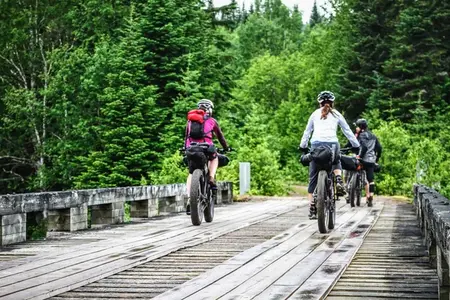
A brake that bites less and less on a full-speed descent is the kind of problem you'd rather sort out in a workshop than in the middle of a technical trail. In the Laurentians, where several routes string together long, sustained descents, mountain bike brakes work hard and wear out faster than most riders expect.
At RST Vélosports in Prévost, it's one of the questions we hear most often in the shop: why do my brakes feel weaker than at the start of the season? Here are the most common causes, how to fix them, and when it's worth upgrading to a more powerful SRAM system.
Why your brakes are losing power
Several factors explain why a disc brake loses bite over time, and most of them aren't serious.
- Worn pads: the most common cause. Pads wear down quickly in mud and during long descents, exactly the kind of riding you find in our area.
- Contaminated rotors: contact with oil, grease, or even certain cleaning products can glaze the rotor surface and reduce grip.
- Air in the system: on hydraulic brakes, air can work its way into the line over time, giving you a spongy lever and reduced stopping power.
- Overheating on long descents: on extended downhills, brake fluid heats up and can temporarily lose effectiveness, a phenomenon known as brake fade.
If the lever feels soft or pulls almost to the bar before biting, that's usually a sign it's time for a bleed or new pads.
Basic maintenance you can do yourself
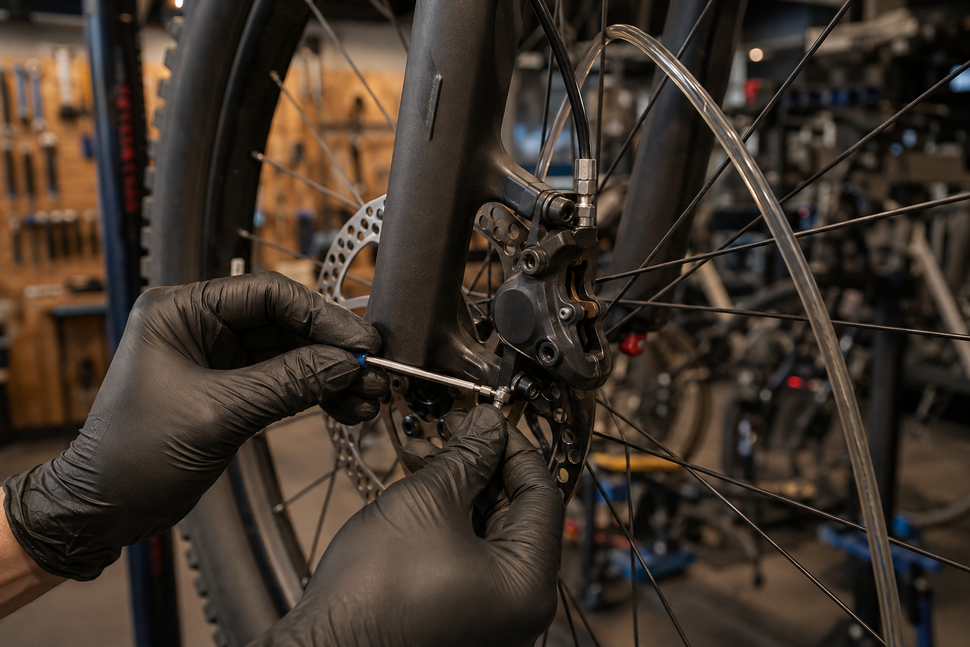
A good chunk of brake maintenance can be done at home with minimal tools.
- Visually check pad thickness. Under 1 mm, it's time to replace them.
- Clean rotors with a disc-brake-specific degreaser, never with a silicone-based product or chain lube that could contaminate the surface.
- Inspect cables and housing on mechanical systems for signs of wear or fraying.
- Tighten caliper mounting bolts if the brake feels misaligned or rubs against the rotor.
You'll find our disc brake pads and maintenance products in-store or online. For anything involving a hydraulic bleed, we strongly recommend going through a mechanic: it requires the right fluid, the right kit, and some experience to avoid introducing air into the line.
Mechanical or hydraulic brakes
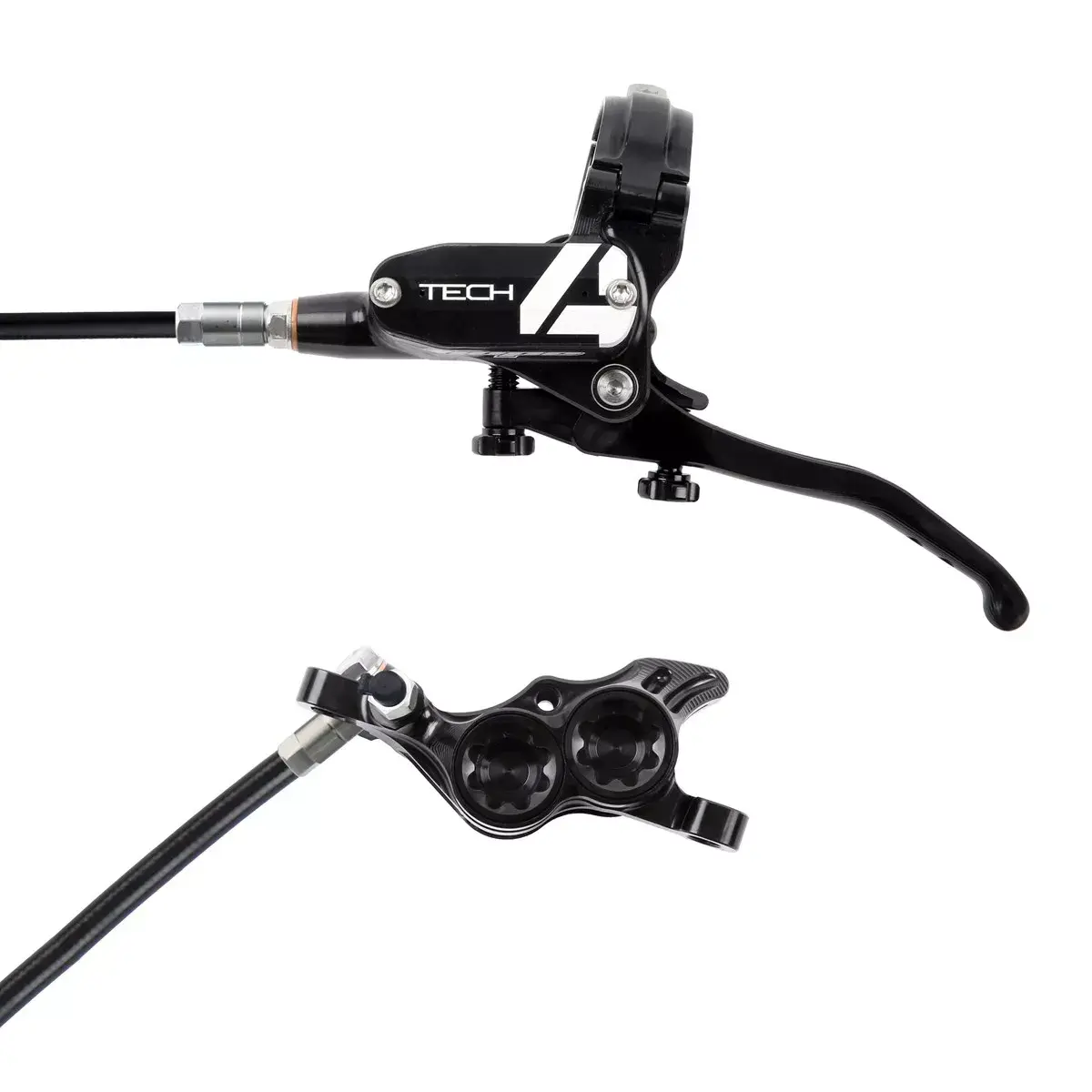
The type of system directly affects the maintenance involved.
- Mechanical (cable-actuated) brakes: simpler to maintain yourself, but less powerful and more sensitive to cable stretch over time.
- Hydraulic brakes: more powerful and more consistent, especially on technical descents, but maintaining the system (bleeding, fluid replacement) takes a bit more know-how.
For most trails in the region, with their fair share of descents and elevation change, hydraulic brakes remain the more reliable choice as soon as you're riding more than occasionally.
When to upgrade to a more powerful SRAM system
A few signs point to basic maintenance no longer being enough, and an upgrade being the better option:
- Fade returns every ride, even after a recent bleed
- Pads wear out abnormally fast despite regular maintenance
- You're riding more enduro or downhill and feel your current system lacks power
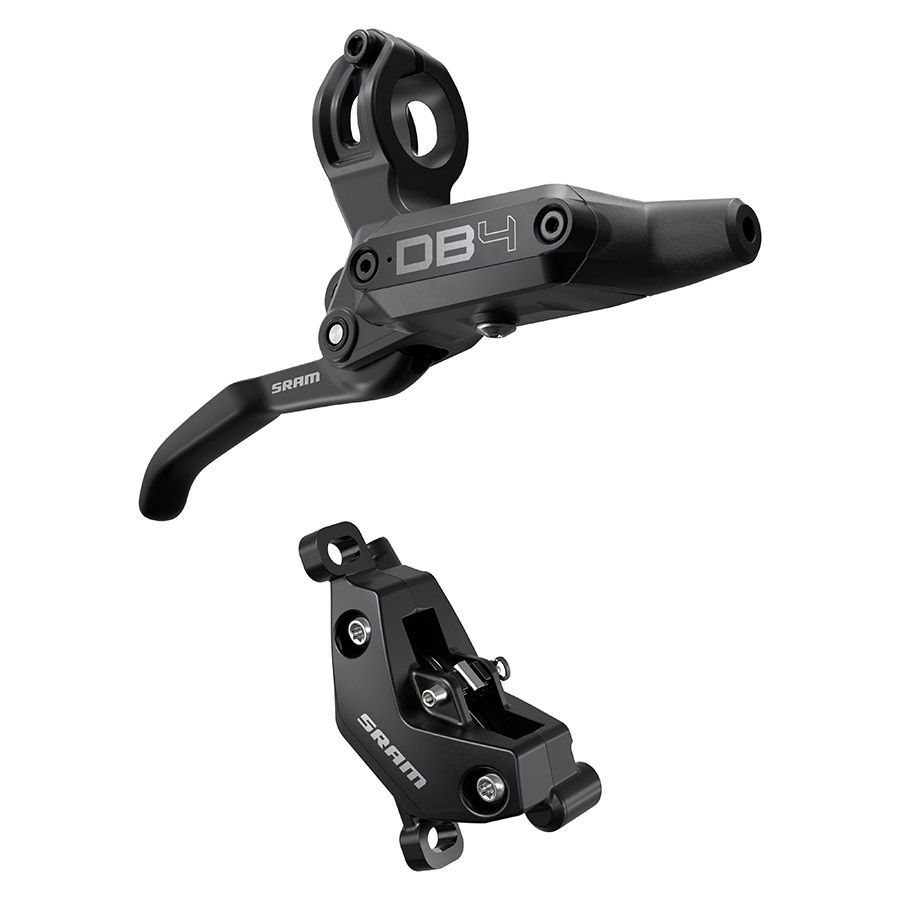
SRAM offers several tiers depending on the amount of power you're after. The DB4 and DB8 models offer a solid balance for trail riding and general use, while the Maven lineup was built specifically for braking power in demanding terrain, with a 4-piston caliper designed for long descents. You can check out our selection of hydraulic brakes to see what's currently in stock.
That said, switching to a more powerful system doesn't fix everything. A new brake that's poorly bled or misaligned will show the same symptoms as an old, poorly maintained system. Our team in-store can assess whether your current system just needs maintenance or whether it's time to move on to something else.
The connection to your tires and suspension
A brake that performs well isn't enough on its own for a confident descent. We've already covered how to choose mountain bike tires based on Laurentians terrain, since tire grip and braking power work hand in hand on technical trails. Suspension plays a direct role too: a setup that's too soft or too firm can cause you to lose contact with the ground at the worst possible moment, no matter how good your brakes are. We explain how to dial that in over in our mountain bike suspension setup guide.
Quick FAQ
Why do my brakes squeal?
That's usually a sign of rotor contamination or glazed pads. Cleaning with a specific degreaser often solves it; otherwise, replacing the pads is recommended.
How often should hydraulic brakes be bled?
Once or twice a season for regular use, or as soon as the lever feels spongy. Frequent, extended descents speed up that need.
Is brake fade dangerous?
It temporarily reduces braking power, which can catch you off guard mid-descent. A well-maintained system suited to how you ride greatly reduces that risk.
Conclusion
Weak brakes aren't a lost cause; they're almost always a sign that maintenance or an adjustment is needed. Between worn pads, a contaminated rotor, or a bleed that's overdue, most causes are easy to fix. For those who regularly ride the long descents in the Laurentians, upgrading to a more powerful SRAM system can also make a real difference.
Our team at RST Vélosports can diagnose your brakes in-store and recommend the right solution, whether that's basic maintenance or a system upgrade. Check out our full selection of brakes online or come see us in Prévost.
Recent articles
View all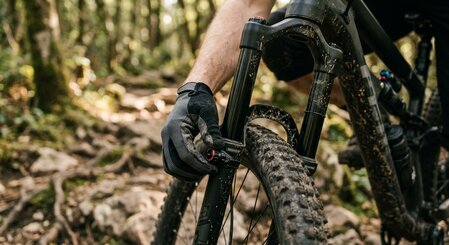
Mountain Bike Suspension: Basic Setup and Maintenance
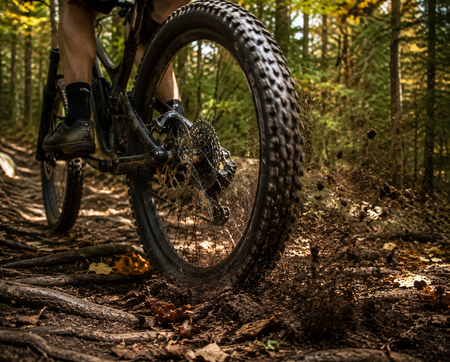
Mountain Bike Tires: Choosing the Right Ones for Laurentians Terrain