
How to Choose a Mountain Bike Helmet: Trail, Enduro, Downhill

The right mountain bike helmet depends first on how you ride. A light, well-ventilated helmet is enough for trail riding and cross-country, while enduro and downhill call for more coverage, sometimes a full-face helmet. Add a proper fit and the right safety standard, and you have the three criteria that really matter. Here's how to find your way.
Start with the basics: measure your head
Before thinking about discipline or style, a helmet has to be the right size. Measure your head with a soft tape, placed about 2.5 cm (1 inch) above your eyebrows, at the widest point at the back of your skull. Then compare that measurement to the manufacturer's size chart rather than another brand's, since every manufacturer has its own sizing.
A well-fitted helmet should neither shift back and forth nor squeeze your temples. The rear adjustment system (dial or straps) is there to fine-tune the fit once you have the right size, not to fix a wrong size choice. This detail matters more than you'd think: a Canadian study published in Health Promotion and Chronic Disease Prevention in Canada found a direct link between a poorly fitted helmet and a higher risk of head and facial injuries among cyclists.
In the shop, our team can check the fit before you buy, which avoids a lot of surprises once you're on the trail. You can also browse our bike accessories collection right now to see the models currently in stock.
Open-face or full-face helmet: the real difference
Two main families exist in mountain biking. The open-face helmet, sometimes called a half-shell, leaves the face uncovered and is adjusted with straps and a rear dial. The full-face helmet covers the entire head, chin bar included, and is fitted with removable foam pads of different thicknesses.
This choice isn't just about looks. A full-face helmet protects the face and jaw better in a crash, but it is also hotter and less practical to wear over several hours of pedaling. That's why the discipline you ride becomes the real deciding factor.
Choosing by riding style: trail, enduro and downhill
Trail and cross-country
For trail riding and cross-country, light weight and ventilation come first. A well-vented open-face helmet keeps your head cool on climbs and doesn't add unnecessary weight on long rides. It's also the most versatile type of helmet, suited to most of the trails you'll find in the Laurentians. Good tire pressure and a suitable helmet often go hand in hand on this kind of terrain: our article on choosing mountain bike tires for Laurentians terrain is a good complement to this look at gear.
Enduro
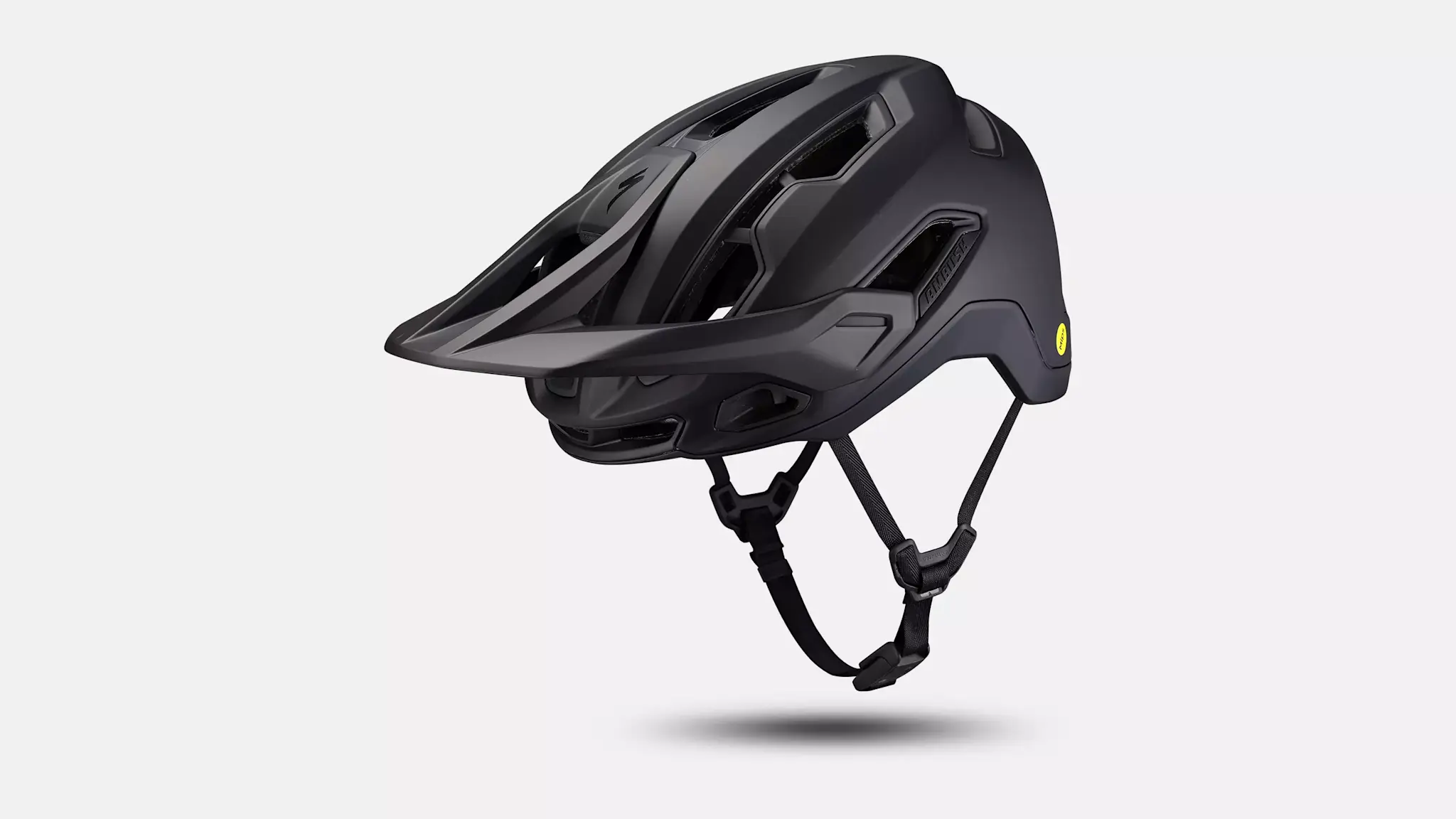
Enduro is ridden on more technical terrain, with committed downhill sections between the pedaling portions. A reinforced open-face helmet, with more generous rear coverage, is often enough for recreational riding. For racers or riders who want extra peace of mind, some models come with a removable chin bar: the helmet becomes full-face for technical descents, then goes back to a lighter open-face helmet for the climbs.
Downhill (DH)
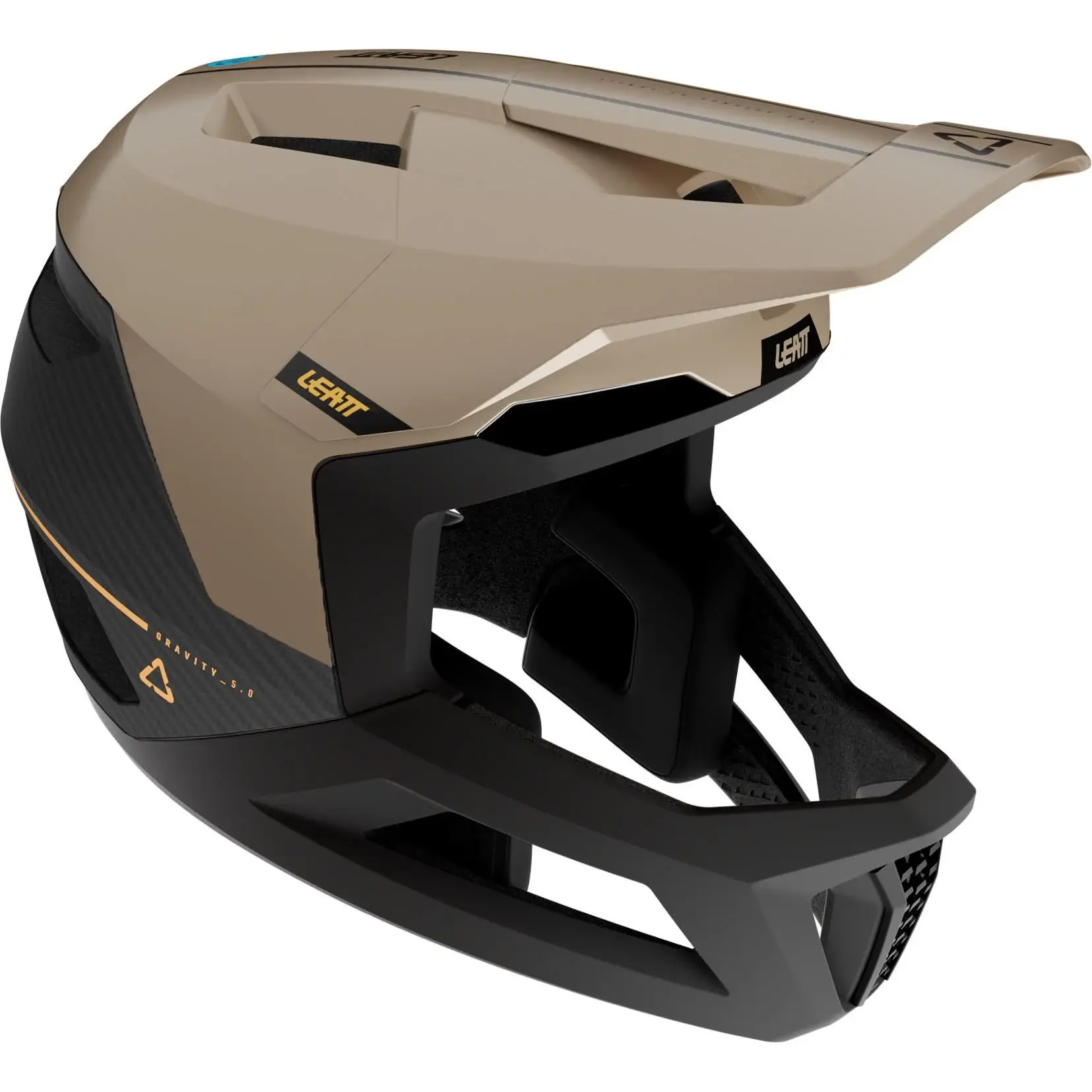
In pure downhill, a full-face helmet is non-negotiable. It's the standard in competition, and it's strongly recommended even for recreational riding, given the speed and the higher level of risk in a bike park. A well-chosen full-face helmet covers the whole skull and protects the face, a logical complement to the other protective gear worn for this type of riding. The third article in this series, on essential protective gear for trail mountain biking, covers what goes with the helmet in downhill and committed enduro.
MIPS technology: extra protection
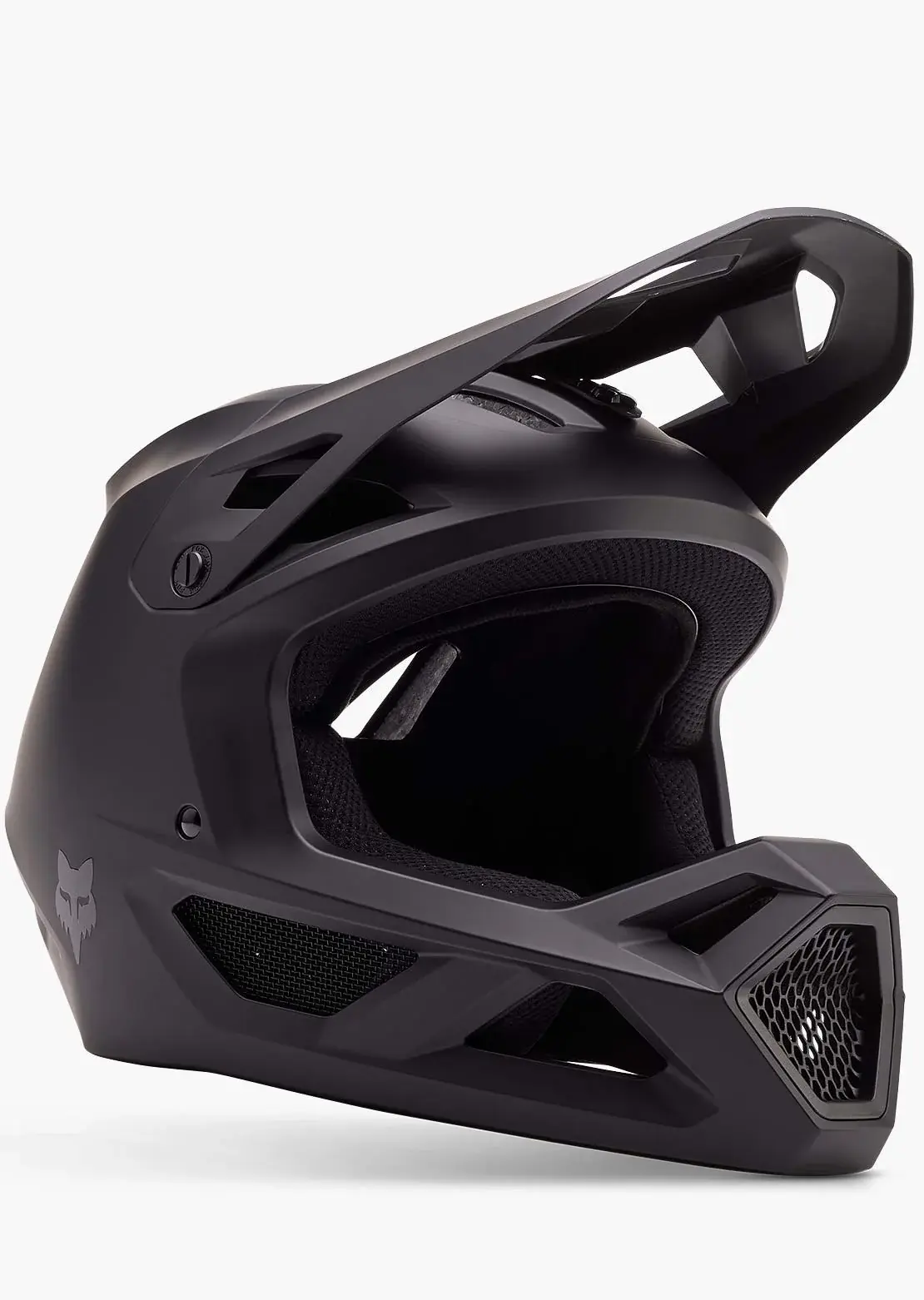
MIPS, short for Multi-directional Impact Protection System, is a thin inner layer that allows a slight rotational movement between the helmet shell and your head during an angled impact. The goal is to reduce the rotational force transmitted to the brain, a type of impact that standard foam absorbs less well.
The small yellow MIPS logo is easy to spot on the side of helmets that have it. Several brands we carry at RST Vélosports, such as Specialized and Leatt, now include it across much of their mountain bike range, on both the trail and downhill sides. It isn't mandatory, but it's a criterion that carries more and more weight, especially for technical riding.
Visor, ventilation and other details worth checking
The visor isn't just a cosmetic detail in mountain biking. It protects you from low branches, mud spray and sudden changes in light under tree cover, all common on forest trails. On most models, it can be adjusted in height or removed completely depending on your preference.
Ventilation deserves your attention too, especially if you ride in summer. A performance-oriented helmet is generally better vented than a model designed for pure recreation, where comfort and coverage take priority over light weight. Also check compatibility with your glasses or your lights if you ride early in the morning or in the evening. Many high-end helmets include a dedicated spot to park your glasses under the visor.
Care and lifespan of your helmet
A mountain bike helmet should be replaced after any significant impact, even if it looks intact to the naked eye. The inner foam can be cracked without it showing on the outside, which reduces its ability to absorb a future impact. If you haven't crashed, it's generally recommended to replace your helmet every three to five years, since polystyrene loses its absorption properties over time.
A few signs tell you it's time to replace it: an adjustment system that no longer holds, compressed or worn foam, visible cracks in the shell, or weakened straps. For routine care, washing with soapy water and air drying is enough. Avoid solvents, which can weaken the shell materials.
Quick FAQ
What exactly is a MIPS helmet?
It's a helmet fitted with a low-friction inner layer that allows a slight rotational movement between the head and the shell during an angled impact, reducing the force transmitted to the brain.
What is the standard for mountain bike helmets?
In Canada, helmets sold must meet a recognized standard such as CPSC or CSA. These standards guarantee a minimum level of impact protection, regardless of the helmet's price.
What is the difference between a mountain bike helmet and a road helmet?
A mountain bike helmet offers more rear coverage, often includes a visor, and favors durability. A road helmet focuses instead on light weight and aerodynamics, with little or no visor.
Do you absolutely need a full-face helmet for mountain biking?
No. A full-face helmet is recommended for downhill and strongly advised for committed enduro, but a good well-vented open-face helmet remains the best choice for trail riding and cross-country.
In conclusion
The right mountain bike helmet depends mostly on the discipline you ride: light and vented for trail, reinforced or convertible for enduro, full-face for downhill. Add a precise fit and, ideally, MIPS protection, and you have the essentials to ride with confidence.
Our team at RST Vélosports can help you find the right model for your head size and your riding. Stop by the shop or explore our mountain bike helmets and our bike accessories collection right now, including our guide to clip-in or flat pedal shoes for mountain biking to complete your gear.
Recent articles
View all
What to Give a Beginner Cyclist: Our Gift Ideas

5 Gift Ideas for E-Bike Riders
