

Essential Protective Gear for Trail Mountain Biking

For trail riding, three pieces of protection make a real difference: a good helmet, gloves and lightweight knee pads. You don't need to gear up like a downhill racer for a trail ride, but a few well-chosen pieces completely change your confidence on technical terrain. Here's what really matters, and why.
The helmet: the non-negotiable foundation
The helmet is the one piece of protection that isn't up for debate. For trail riding, a well-vented open-face helmet is enough in the vast majority of cases, as long as it fits your head properly. We covered the criteria to check, including the standard and MIPS technology, in our article on how to choose a mountain bike helmet. If you only have one piece of protection to prioritize before your next ride, this is the one.
Gloves and glasses: the protection people forget
Gloves protect your hands in a fall, but also day to day against blisters, branches and vibration on a technical trail. A model with a reinforced palm and pre-curved fingers also improves your grip on wet handlebars, which are common in the Laurentians early in the morning or after rain.
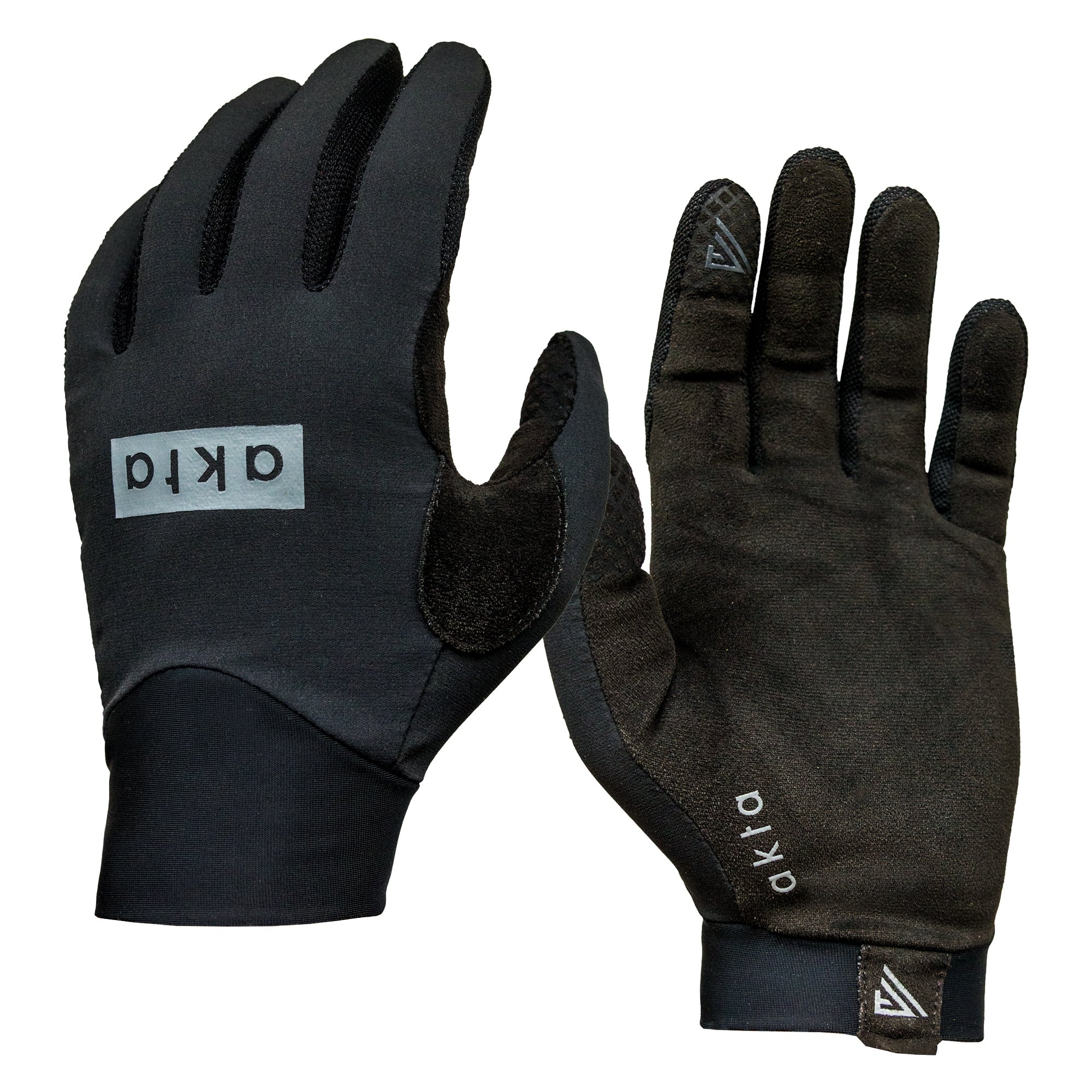
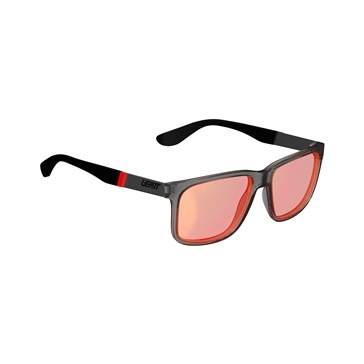
Glasses, for their part, protect your eyes from branches, dust and mud spray under tree cover. A clear or lightly tinted lens works well for most forest rides, where the light constantly shifts between sunny breaks and shaded areas.
Lightweight knee pads: the essential protection for technical trails
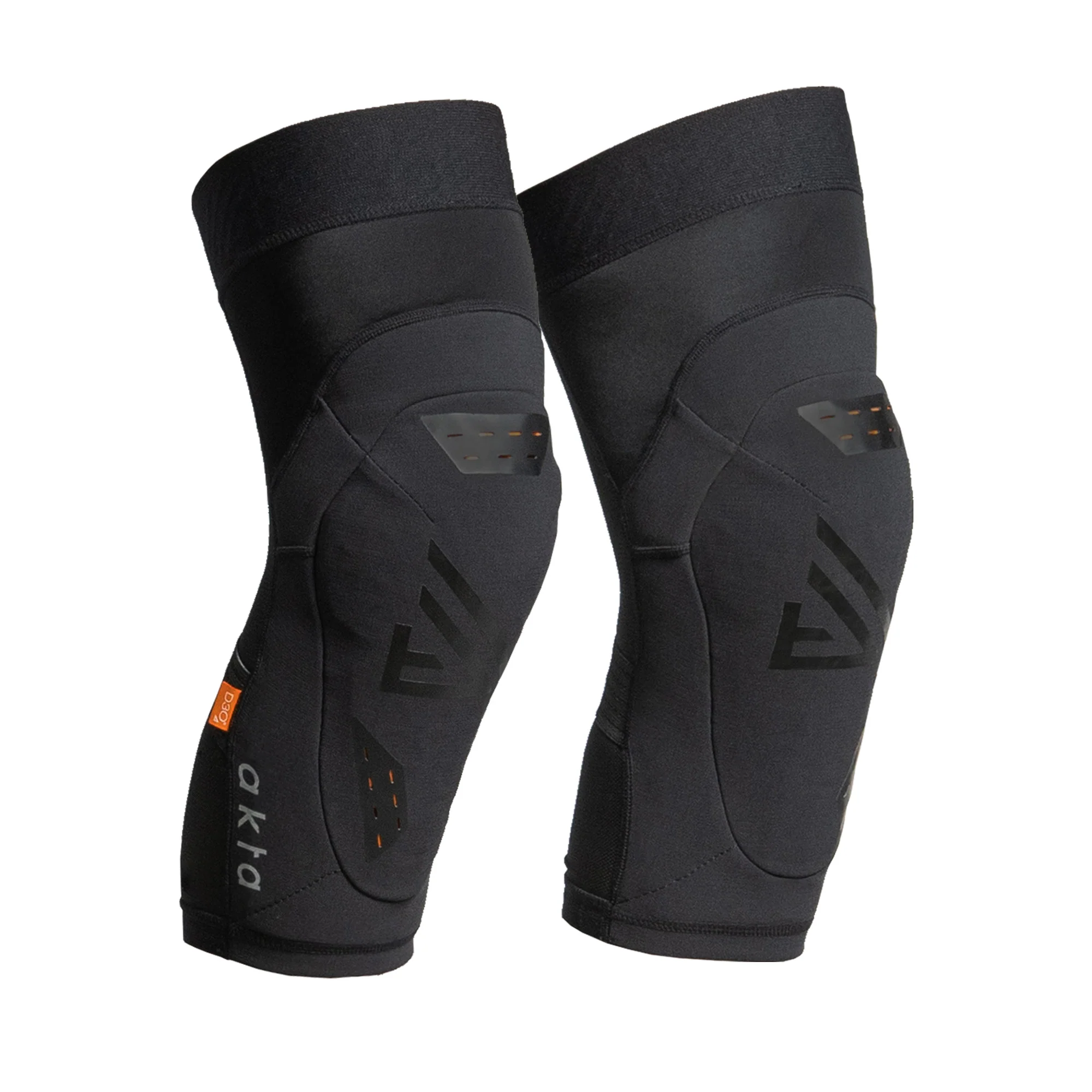
This is the piece trail riders neglect most often, usually because they associate knee pads with enduro or downhill. Yet a low-speed fall on a rocky or rooty trail can be enough to cause a knee injury that ruins the rest of your season.
For trail riding, look for lightweight, well-ventilated knee pads, not the rigid, bulky models designed for the bike park. The goal is to be able to wear them for the whole ride without feeling them, including on climbs. Many recent models use viscoelastic foams that harden on impact while staying flexible when you pedal, a clear improvement over the old rigid shells.
Understanding certification standards
Knee pads, elbow pads and other joint protection generally carry an EN 1621-1 certification, while back protectors use the EN 1621-2 standard. These standards also distinguish two levels: Level 1, lighter and better vented, suits trail riding where you pedal for several hours. Level 2, with higher impact absorption, becomes relevant when speed and the consequences of a fall increase, as in aggressive enduro or the bike park.
The right habit is to check the certification rather than rely only on marketing terms like "impact-resistant". Even well-certified protection loses much of its effectiveness if it shifts on impact because it doesn't fit properly.
When to add more protection
If your rides move toward enduro or faster, more technical trails, it's time to add elbow pads and consider a lightweight back protector. The same principle applies to your pedals and shoes: the choice between clip-in and flat also changes with how committed your riding is, as we explain in our article on clip-in or flat pedal shoes for mountain biking. The more demanding the terrain gets, the more your whole setup, helmet, shoes and protection, needs to keep up.
Care and replacement
Inspect your protection regularly. Cracks, compressed foam, damaged stitching or straps that no longer hold are all signs it's time to replace the piece. After a major crash, also check the manufacturer's instructions: some absorbing materials can lose their effectiveness even without visible damage on the outside.
Quick FAQ
Should you wear knee pads even for an easy trail ride?
It isn't mandatory, but it's recommended on technical or rooty trails. A lightweight, well-ventilated model is easy to wear without hurting comfort, even on a relaxed ride.
What is the difference between Level 1 and Level 2?
Level 2 offers higher impact absorption, but generally means protection that is stiffer and less ventilated. Level 1 is better suited to trail riding where comfort matters most on long rides.
Are road cycling gloves suitable for trails?
Not ideally. A mountain bike glove generally offers a better grip on brake levers and a more reinforced palm to absorb the vibrations of technical terrain.
In conclusion
A well-fitted helmet, good gloves, suitable glasses and lightweight knee pads cover the essentials for riding trails with confidence. You don't need a full bike park setup to get started, just the right pieces in the right places.
Our team at RST Vélosports can advise you based on your riding and your budget. Explore our mountain bike protection and our bike accessories collection to see the Specialized, Leatt and Troy Lee Designs protection currently in stock.
Recent articles
View all
What to Give a Beginner Cyclist: Our Gift Ideas

5 Gift Ideas for E-Bike Riders
