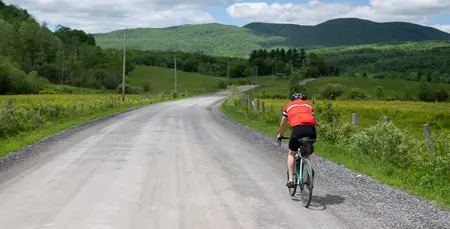
The ultimate seasonal bike maintenance guide
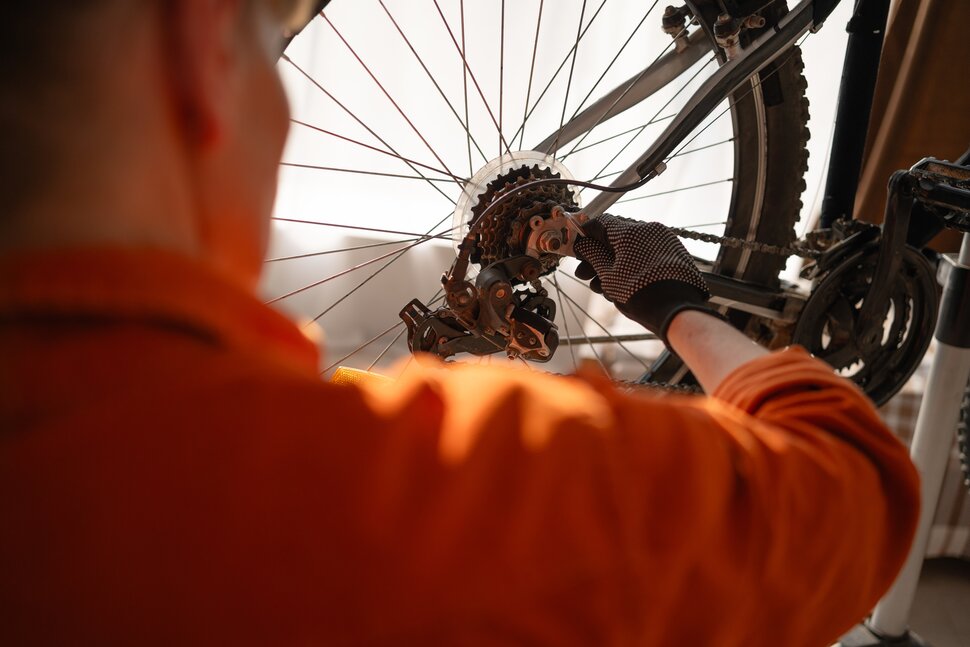
They often say a well-maintained bike is a happy bike — and its owners are too. Yet maintenance remains a blind spot for many cyclists, especially beginners. You're not sure what to do, or when to do it. The result: you wait until something breaks, and the repair ends up costing far more than it should have.
The good news is that bike maintenance isn't rocket science. It's simply a matter of understanding that each season puts different demands on your bike and responding with a few simple actions. In this guide, the team at RST Vélosports in Prévost walks you through all four seasons and explains, in plain language, how to take care of your bike year-round.
Why adapt maintenance to each season?
The Laurentians are a region with four distinct seasons, and each one affects your bike differently. In spring, moisture and mud take over. In summer, heat and dust work their way into the drivetrain. Fall brings wet leaves, sudden cold snaps, and the first frosts. And in winter, if you keep riding, salt and intense cold attack your metal components.
Ignoring these changes means letting your bike deteriorate in silence. Adapting your maintenance to each time of year, on the other hand, means always riding safely, extending the life of your parts, and avoiding breakdowns that ruin a great outing.
Spring — The big tune-up
Spring is without question the most important season for maintenance. Whether it spent the winter in a heated garage or a damp basement, your bike has been through months of dormancy that leave invisible marks at first glance.
What happens over winter without you noticing
Moisture is the number one enemy of your bike in winter. It seeps into cables, bearings, and the chain. The lubricant that protected your drivetrain in the fall has dried out or been diluted by condensation. Your tires have lost pressure. Screws may have loosened slightly with temperature fluctuations. In short, even a bike that hasn't moved all winter needs attention before hitting the road again.
Where to start?
The first thing to do is a thorough cleaning. A good wash with warm water and mild soap reveals the true condition of the bike — rusty spots, frayed cables, cracked tires — that accumulated dirt had been hiding. Next comes lubricating the chain, one of the simplest and most effective things you can do for the longevity of your drivetrain. A clean, well-lubricated chain in spring can save hundreds of dollars in prematurely worn parts.
Also check your brake response. After winter, pads may be worn or misaligned. A quick test in your driveway — accelerate slightly and brake hard — will immediately tell you if your stopping power is up to par. If the lever comes too close to the handlebar or your stopping feels less sharp than before, it's time to see a mechanic.
When to call a professional in spring?
The spring tune-up is the best investment of the year for a cyclist. An experienced mechanic can spot in a few minutes what an untrained eye would miss: a bearing starting to show play, a derailleur cable on the verge of snapping, a fork whose air pressure has dropped. At RST Vélosports in Prévost, our Shimano-certified mechanics perform complete tune-ups so you can head back to the trails with a bike that feels brand new.
Book a spring tune-up appointment
Summer — Maintenance mile by mile
In summer, maintenance is the last thing on your mind. You're in the thick of it — rides stack up, trails are calling, the days are long. But it's precisely because you're riding so much that summer maintenance matters. Wear accumulates quietly, ride after ride.

The chain: your bike's health barometer
In summer, the chain is your best indicator of your drivetrain's overall condition. Trail dust and mud from rainy rides get packed in quickly and form an abrasive mixture that grinds away at your cassette and chainring teeth. The basic rule is simple: after a wet or particularly dusty ride, clean and re-lubricate. Under normal conditions, every 150 to 200 kilometres is enough.
What many beginners don't realize is that a worn chain doesn't always show obvious signs. It stretches gradually — this is called chain stretch — and starts to mesh poorly with the cassette. Replace it in time and the cassette is saved. Wait too long and you'll need to replace the entire cassette, which costs considerably more.
Brakes: never neglect them in summer
In summer, your brakes work hard. The descents on Laurentian trails — sometimes long and fast — put serious stress on your pads. A disc brake pad's lifespan varies with use — between 500 and 1,500 km under normal conditions — but that lifespan can be cut in half on muddy trails or with frequent descents. The most obvious sign of a worn pad is a loud metallic squeal when braking. If you hear it, act immediately.
The small habits that make a big difference
In summer, maintenance takes no more than five minutes after each ride. A quick wipe-down of the frame and drivetrain, a glance at tire pressure before you head out, and an attentive ear to any unusual sounds along the way. A creak while pedalling, a squeak with every wheel rotation, a clunk when shifting — these sounds are messages your bike is sending you. The sooner you listen, the less expensive the repair will be.
Fall — Ending the season the smart way
Fall is a treacherous season for cyclists. Conditions change fast — mornings are cold, afternoons still mild, and trails are covered in wet leaves that hide obstacles. It's also the time when parts that survived the summer start showing their limits.
What fall reveals
After several months of riding, your chain, brake pads, and cables have accumulated significant wear. Fall is the right time to take stock. If your chain is stretched and you replace it now, you protect your cassette and make a meaningful saving. Wait until the following spring and you'll likely need to replace the cassette too.
Brake and shift cables also deserve close attention in fall. After a full season, they may have stretched slightly, resulting in less precise shifting or a brake lever that pulls a little lower than before. These adjustments are simple for a mechanic to make and have a real impact on how the bike handles.
Still enjoy the beautiful fall rides
Fall in the Laurentians offers some of the best rides of the year. The colours are spectacular, the trails are less crowded, and the cool air makes the effort more enjoyable. To make the most of it, make sure your brakes are in perfect condition — wet surfaces reduce traction and demand even more reliable stopping power. And check your tire pressure more often: the cold naturally lowers pressure, sometimes by 3 to 5 psi between morning and evening.
Winter — Store your bike or keep riding
Winter divides cyclists into two camps: those who put the bike away until spring, and those who keep riding no matter what. Both approaches are valid — but each requires particular attention.
If you're storing your bike for winter
Storing your bike properly guarantees you'll find it in good shape come spring. The first step is a thorough cleaning — never store a dirty bike. Dirt and moisture left on components for months accelerate corrosion significantly. After cleaning, lubricate the chain generously with a thick lubricant that will provide lasting protection during the dormant months.
For tires, there's no need to deflate them completely — a slight pressure reduction is enough to prevent them from deforming under the bike's weight. Ideally, hang the bike or place it on a stand so the tires aren't bearing the weight continuously. If you have an e-bike, always remove the battery and store it at room temperature, between 10 and 20 degrees. A battery exposed to intense cold loses capacity permanently.
If you keep riding in winter
Riding in winter in the Laurentians is an incredible experience — especially fat biking on snowy trails or along the P'tit Train du Nord. But winter conditions are brutal on components. The salt municipalities spread on roads corrodes metal parts at an alarming rate. Moisture gets into everything. And cold thickens lubricants and affects the performance of hydraulic brakes.
In winter, post-ride maintenance is not optional. A quick rinse to remove salt, followed by drying and lubrication, can double the life of your drivetrain. Use a lubricant specifically formulated for low temperatures — standard lubricants become too thick and less effective below zero. And expect all your parts to wear two to three times faster in winter, which means more frequent visits to the mechanic.
The most common maintenance mistakes beginners make
After years of maintaining and repairing bikes in the Laurentians, our team has seen the same mistakes come up over and over. Here are the main ones, so you can avoid them.
Never lubricating the chain. By far the most common and most costly mistake. A dry chain wears three to four times faster and gradually destroys the cassette and chainrings. A few drops of lubricant every few rides is all it takes to make an enormous difference.
Ignoring unusual sounds. Your bike communicates. A creak, a squeak, or a clunk that wasn't there before is always a sign of a developing problem. The longer you wait, the more complex and costly the repair. When a sound appears, act on it.
Riding with worn brakes. Pads that are past their limit are a real risk, especially on technical Laurentian descents. If your stopping feels less decisive than before or you hear a metallic sound when braking, get your brakes checked without delay.
Neglecting tire pressure. Under-inflated tires increase the risk of flats, reduce the bike's handling precision, and wear out faster. Two minutes of checking before each ride is all it takes to avoid a lot of grief.
Skipping the spring tune-up. Hitting the road again after winter without a professional inspection is like playing Russian roulette. Problems that develop over winter aren't always visible to the naked eye. A spring tune-up with a mechanic gives you peace of mind for the entire season.
Need a hand with your bike maintenance?
You're not a mechanic and you don't have to be. At RST Vélosports in Prévost, our Shimano-certified mechanics handle everything: seasonal tune-ups, parts replacements, precision adjustments, and full diagnostics. We welcome all types of bikes and all levels of cyclists, from beginners who just want to make sure their bike is safe, to demanding riders who want to optimize every component.
Come see us in store in Prévost or contact us to schedule your next service. We'll make sure your bike is ready for every season and every adventure in the Laurentians.
Contact RST Vélosports for a tune-up
View our maintenance products and accessories
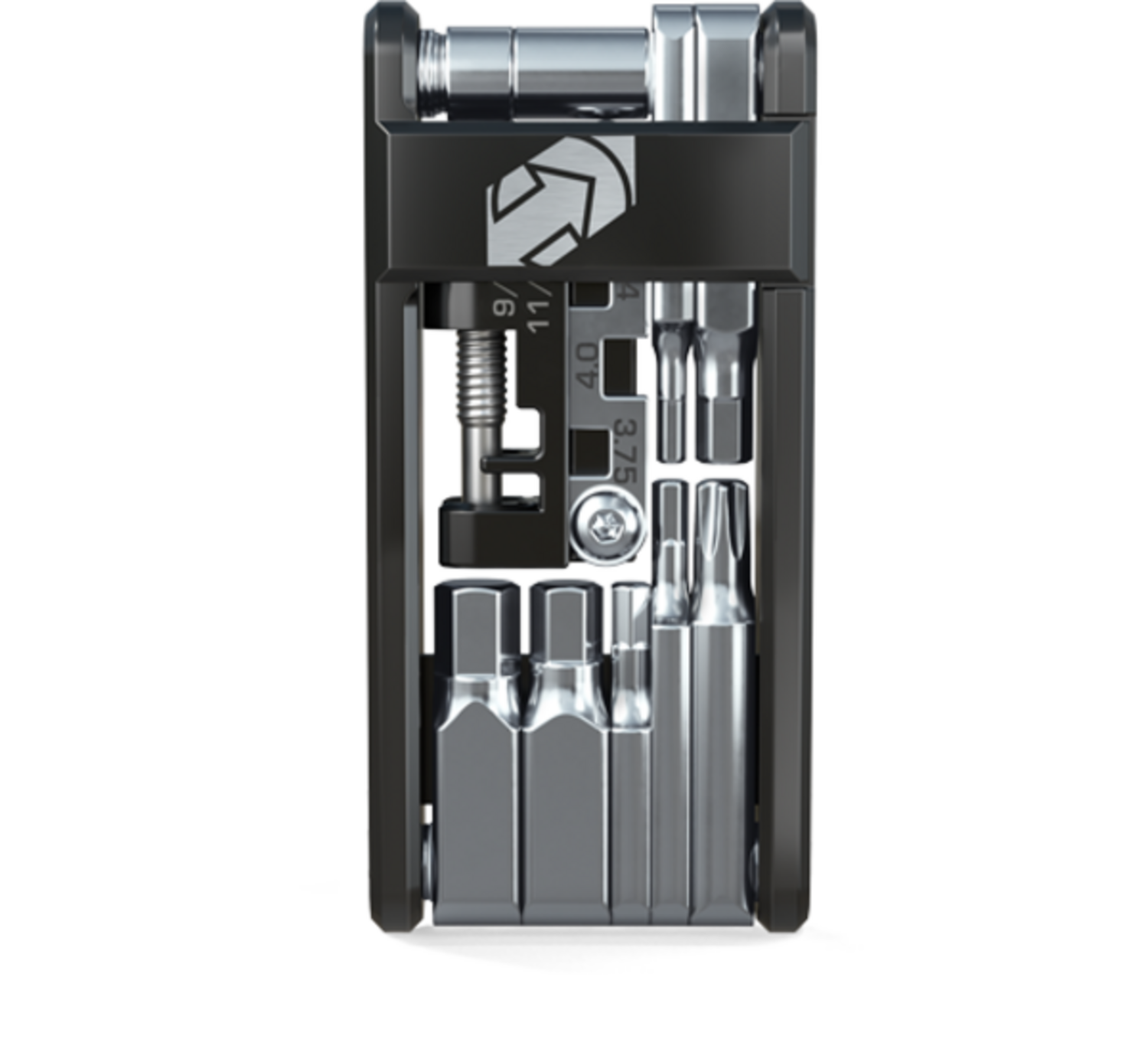
Conclusion — Maintenance is respect for your bike
A well-maintained bike isn't a perfect bike — it's a bike that's been respected. A few simple actions each season, a professional tune-up once or twice a year, and an attentive ear to the signals your bike sends you: that's all it takes to ride safely and enjoyably, year-round in the Laurentians.
We hope this guide has given you the foundation to care for your bike with confidence. And if you have any questions, the team at RST Vélosports in Prévost is always here to help — in store, by phone, or online.
Recent articles
View all
How to Choose the Right Bike in 2026: A Guide by Riding Style
Gravel vs Road Bike: Which One Should You Choose for the Laurentians?