When to Service Your Bike? Signs You Shouldn't Ignore
Maintaining your bike is one of the best ways to ride longer, more efficiently, and above all, safely. But many cyclists wait until something starts making noise or a problem appears before taking action.
A skipping chain, squealing brakes, a tire that keeps going flat — these are often the first signs of bike wear. Catching them at the right time helps you avoid costly repairs and preserve performance, whether you ride on the road, gravel, or trails.
In this article, we tell you when to service your bike, which symptoms you shouldn't overlook, and how often to schedule your bike maintenance for a reliable ride, season after season.
Why Bike Maintenance Is Essential (and Cost-Effective)
A bike is a collection of moving parts exposed to water, dust, salt, impacts, and temperature changes. Without regular maintenance, friction increases, components wear out faster, and performance drops. The result: a noisy drivetrain, reduced braking power, repeated flat tires… and sometimes a breakdown at the worst possible moment.
Maintaining your bike isn't just about comfort — it's a genuine safety issue. A worn chain can snap, thin brake pads can extend your stopping distance, and an under-inflated tire can come off the rim in a corner. The good news? Many problems can be caught early with a few simple habits.
How Often Should You Schedule Bike Maintenance?
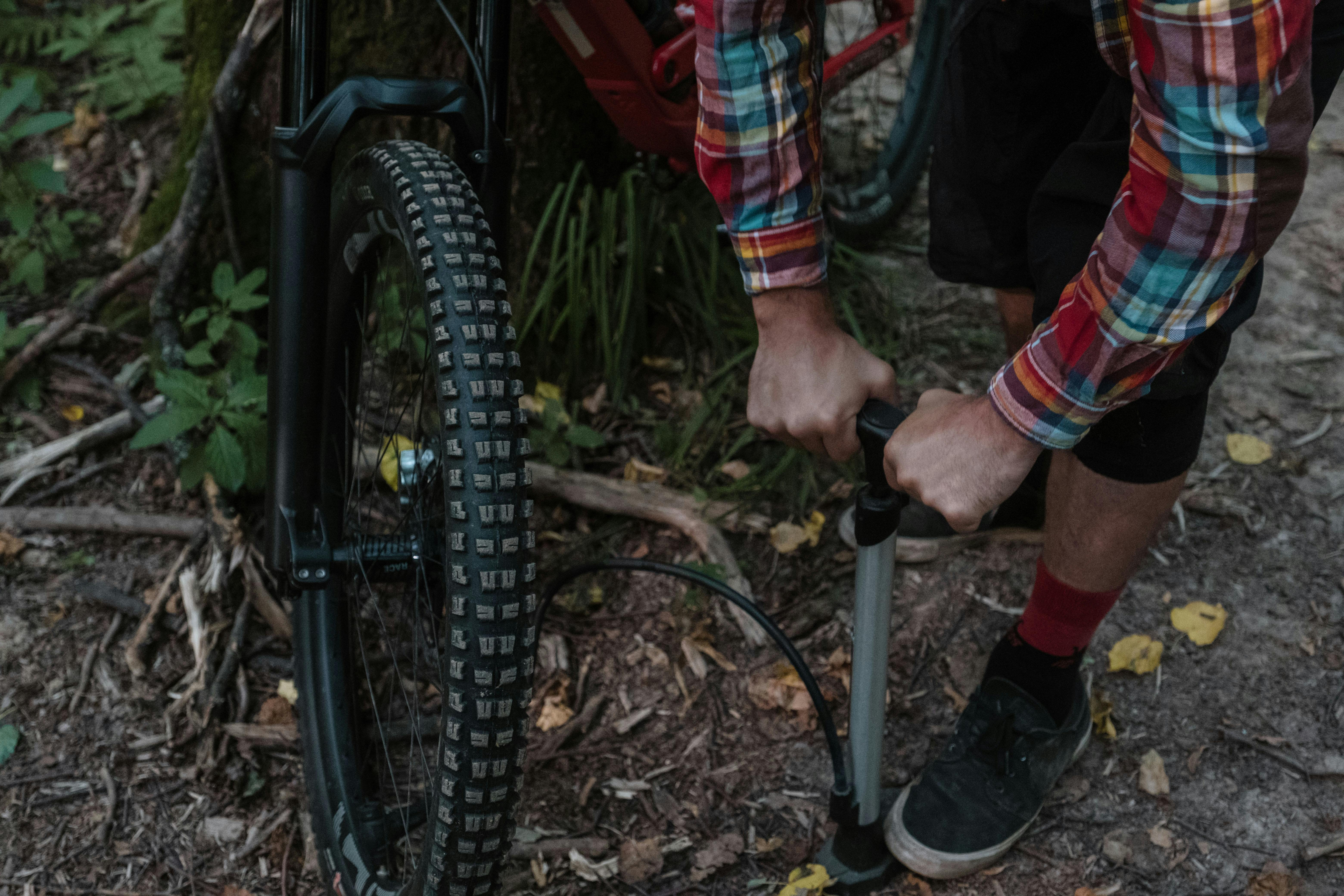
The ideal frequency depends on your riding style (road, gravel, mountain bike), weather conditions, mileage, and your environment (dust, mud, rain, salt). Here's a clear baseline for knowing when to repair a bike or at least perform a check.
After every ride (2 to 5 minutes)
- Quickly wipe down the frame and drivetrain if the bike is wet or dirty.
- Visually inspect the tires (cuts, embedded objects).
- Check braking: firm lever, unusual noise, rubbing.
Every week or every 150–300 km
- Tire pressure (proper inflation makes a big difference): use a quality pump to reach the right pressure and avoid pinch flats and excessive wear.
- Light chain cleaning + lubrication (depending on conditions).
- Quick brake inspection (wear, alignment, noise).
Every month or every 500–1,000 km
- Check chain wear (a measuring tool is recommended).
- Inspect cables/housing or hydraulic hoses (tension, condition).
- Check tightness (wheels, stem, handlebar, seatpost).
Twice a year (or seasonally)
- More thorough service: deep cleaning, drivetrain inspection, brake bleeding/maintenance if needed.
- Check for play and bearing wear (headset, bottom bracket, hubs).
If you frequently ride in the rain, mud, or on salted winter roads, increase the frequency — these conditions significantly accelerate bike wear.
Bike Wear Signs You Shouldn't Ignore
Some signals are subtle at first, but they often indicate a problem that worsens quickly. Here are the most common ones, and what to do about them.
1) Noisy Drivetrain, Cracking or Skipping
A chain that "sings," gears that skip, or a pedaling stroke that catches are classic signs: dirty chain, insufficient lubrication, misaligned derailleur, or wear (chain/cassette/chainrings). This is often one of the first indicators of when to repair a bike rather than wait.
Act immediately: clean + degrease the chain, then lubricate. Watch out: if it persists, measure chain wear — a stretched chain destroys the cassette faster.
For effective cleaning, use a suitable chain degreaser: it dissolves residue without hours of scrubbing.
2) Reduced Braking Power or a "Spongy" Lever
On disc brakes, if the lever feels soft, braking loses bite, or you hear a metallic noise, you need to act. On rim brakes, a lever with too much travel, glazed pads, or a dirty rim are also warning signs.
Signs: squealing, vibrations, inconsistent braking, lever nearly touching the handlebar. Possible causes: worn pads, contaminated disc/rim, bleeding needed, slack cable.
Don't put it off: braking is the #1 safety system. If you're not comfortable handling it yourself, schedule a workshop service.
3) Tires That Keep Going Flat or Show Visible Wear
A tire that rapidly loses pressure indicates either a minor puncture, a fatigued valve, a damaged rim tape, or simply incorrect pressure. Cracked sidewalls, a smooth tread, or cuts are obvious signs of bike wear.
Act: re-inflate to the correct pressure, inspect the tread, remove debris. Replace: cracked tire, visible casing, bulge, deep cut.
Tip: correct pressure reduces rolling resistance and limits pinch flats. A quality pump with a reliable gauge helps you stay consistent.
4) Play, Creaking, and "Vague" Sensations
A bike that creaks while pedaling, imprecise steering, a wheel that moves laterally, or a "floating" feeling often indicate play in a bearing (headset, bottom bracket, hubs) or insufficient tightening.
Quick test: apply the front brake and rock the bike back and forth; a "clunk" may indicate headset play. Other causes: dry seatpost, pedals, saddle rails, incorrectly closed quick-releases.
These noises aren't just annoying — a damaged bearing can wear out very quickly and lead to higher costs.
5) Difficult Shifting, Cable Catching, Imprecise Changes
If you have to "force" the shifter, gear changes feel slow, or the chain hesitates between sprockets, the cause is usually a dirty cable, damaged housing, or limit screw/tension adjustment needed. After muddy rides, this can happen very quickly.
Act: clean, inspect the housing, adjust tension (barrel adjuster). Plan ahead: replace cables/housing if there's oxidation or internal friction.
Simple Checklist: What to Inspect Before Something Breaks
Here's a practical list to maintain your bike without spending hours on it. The idea: spot issues early rather than repair late.
- Tire pressure: suited to your weight, terrain, and tire width.
- Chain: clean, lubricated, no stiff links.
- Brakes: power, no rubbing, pad/shoe wear.
- Wheels: no significant wobble, no play in the hubs.
- Tightness: wheels, handlebar, stem, seatpost.
- Frame: cracks, suspicious impacts (especially carbon), overall condition.
Cleaning: The Foundation of Good Bike Maintenance

Cleaning is about far more than aesthetics. Dirt acts like an abrasive paste, accelerating wear and masking problems. A good routine: rinse (without high-pressure water on bearings), degrease the drivetrain, clean the frame, dry, then lubricate.
To equip yourself simply and effectively, browse our selection of bike maintenance products. You'll find everything you need to clean, protect, and extend the life of your drivetrain.
Drivetrain Focus: Why Degrease Before Lubricating
Lubricating an already dirty chain traps particles, increases friction, and creates accelerated wear. Good bike maintenance therefore starts with removing the old grease film and contaminants, then applying a lubricant suited to conditions (dry/wet).
When to Take Your Bike to a Workshop?
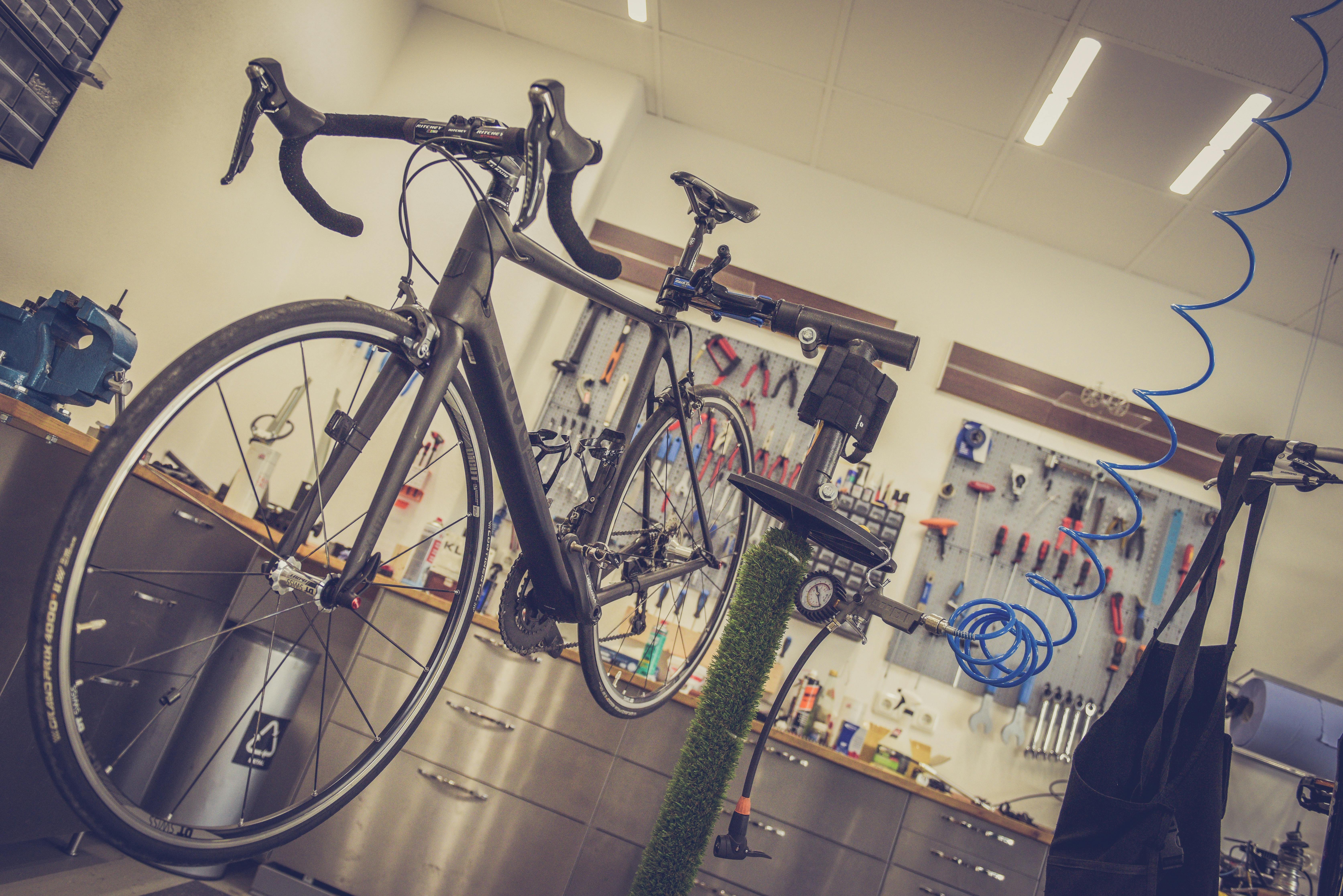
Even if you handle most maintenance at home, some operations are best performed by a professional, or at least with the right tools. Here are situations where it's worth scheduling a service:
- Hydraulic brakes: bleeding, leaks, persistently spongy lever.
- Bearings: play, grinding, unusual resistance.
- Advanced drivetrain wear: chain + cassette, marked chainrings.
- Wheels: significant wobble, spoke tension, cracked rim.
- After a crash: check frame, headset, alignment, brakes.
As a general rule, if a problem directly affects safety (brakes, steering, frame) or if you can't identify the cause, it's the right time for a professional diagnosis.
Common Mistakes That Accelerate Bike Wear
- Neglecting tire pressure: too low = pinch flats/wear; too high = discomfort/loss of grip.
- Washing with a pressure washer: water can get into the bearings.
- Forgetting chain wear: a worn chain "eats" the cassette.
- Lubricating without degreasing: creates an abrasive paste.
- Riding with rubbing brakes: overheating, wear, reduced range (e-bike).
Equip Yourself for Simple, Effective Bike Maintenance
The difference between a bike that "works" and one that's genuinely enjoyable to ride often comes down to attention to detail and quality equipment. Beyond consumables, certain bike accessories really make life easier: reliable pumps, basic tools, cleaning products, and storage and transport solutions.
Conclusion: The Right Signals, at the Right Time
To know when to repair your bike, trust the signals: unusual noises, reduced braking, tires going flat, imprecise shifting, play and creaking. The earlier you act, the simpler (and more affordable) the fix. By building a clear routine to maintain your bike, you'll ride longer, with more enjoyment and fewer unpleasant surprises.
Equip yourself now with our bike maintenance products, add a chain degreaser to your kit, and ensure perfect pressure with a quality pump. Also browse our bike accessories to complete your home workshop and ride with confidence all year long.