E-Bike Range: What Really Affects Battery Life (and How to Optimize It)
An electric bike’s range is often the first question riders ask before buying. How many kilometers can you actually ride on a single charge? Is it enough for climbs and trails like those found in the Laurentians?
Whether you’re shopping among the electric bikes available at RST Vélosports or comparing different models, it’s important to understand that the range advertised by manufacturers is rarely a fixed number.
It varies based on several real-world factors such as terrain, assistance mode, rider weight, and even outside temperature. Understanding these elements helps you make an informed decision and avoid unpleasant surprises on the trail.
Battery capacity: the starting point
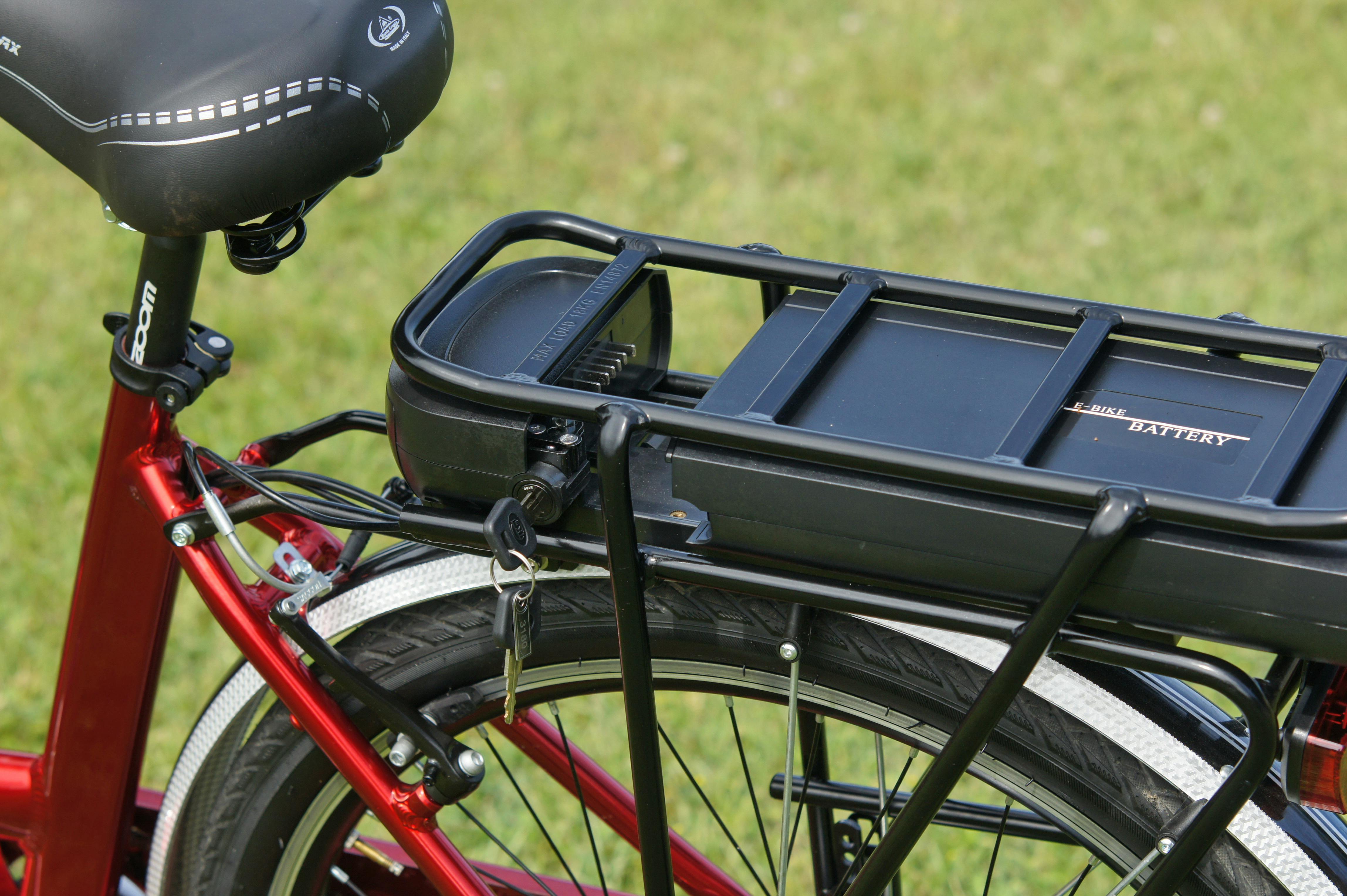
Battery capacity is measured in watt-hours (Wh).
In practice:
- 400 to 500 Wh : short to medium rides
- 625 to 750 Wh : longer rides and frequent elevation gain
- 800 Wh and up : ideal for intensive mountain use
For technical trails and sustained climbs, common in the region, electric mountain bikes are usually equipped with higher-capacity batteries to provide a range suited to the terrain.
Terrain type has a huge impact on consumption
The more demanding the terrain, the harder the battery has to work.
Higher consumption occurs on:
- Long, repeated climbs
- Technical trails
- Mud, sand, or snow
- Winter rides on electric fat bikes
On the other hand, an e-bike used on paved roads or smooth gravel paths will consume far less energy.
That’s why some riders opt for more versatile options like electric gravel bikes for long mixed-surface distances.
Assistance mode used
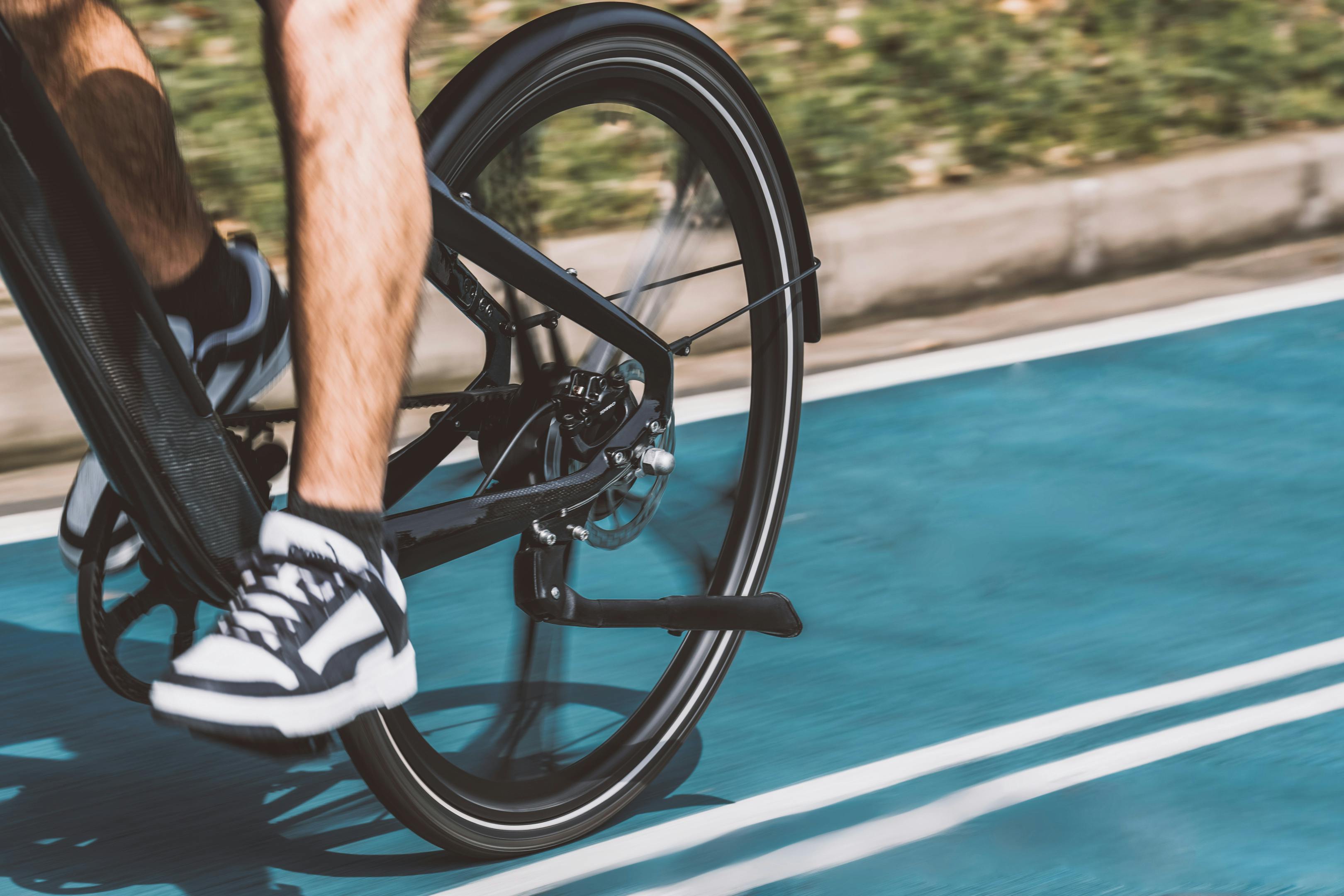
Assistance levels make a massive difference:
- Eco: maximum range
- Normal / Trail: good balance
- Boost / Turbo: maximum power, battery drains quickly
Riding continuously in maximum assistance can cut your range in half.
Smart mode management often adds several extra kilometers per ride.
Rider weight and gear
The harder the bike works, the more energy it uses:
- Heavier rider
- Loaded backpack
- Wide tires
- Soft or loose terrain
In electric mountain biking, this factor becomes very noticeable.
Tire pressure
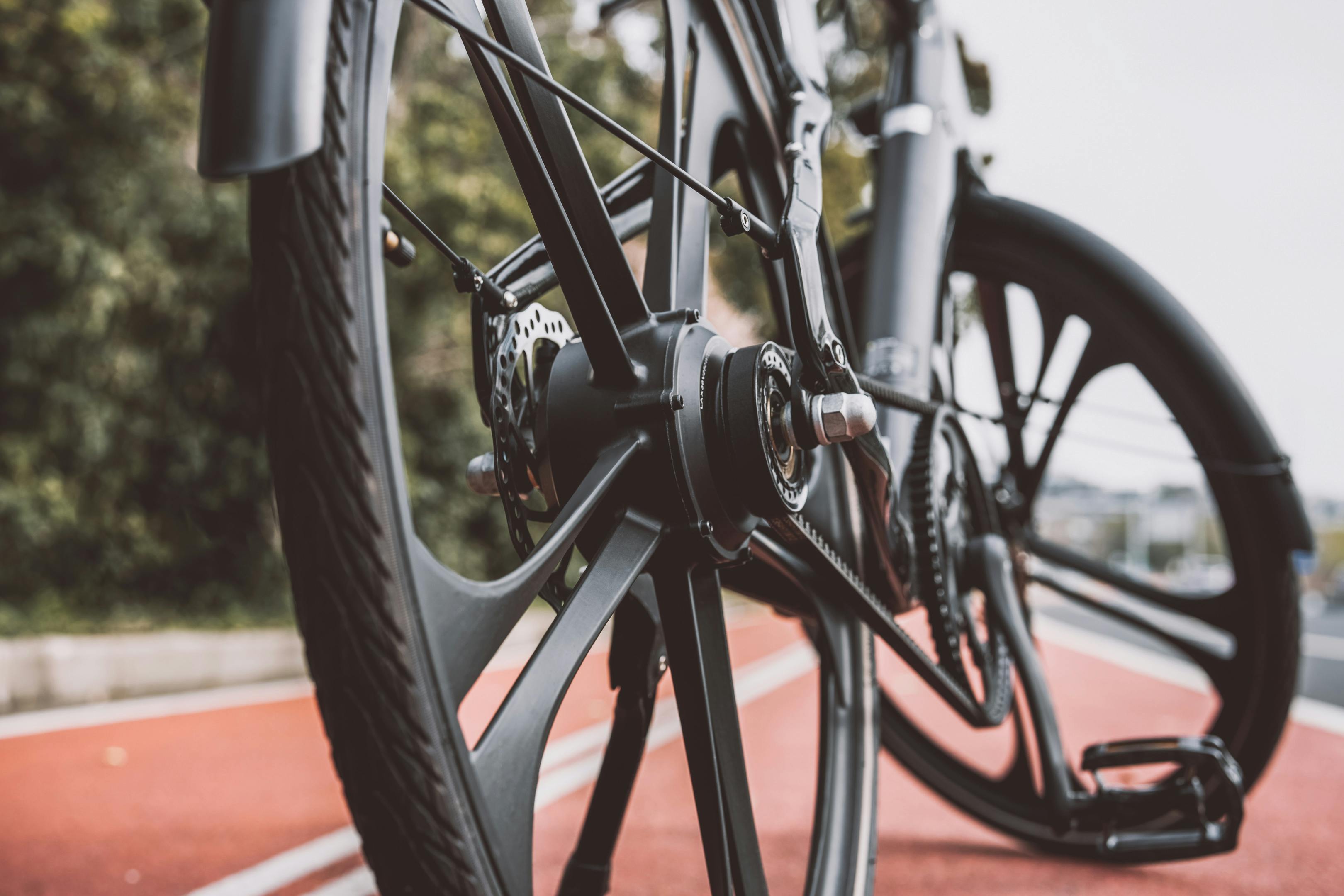
A small detail with a real impact.
- Underinflated tires = higher friction
- Faster battery drain
Proper tire pressure improves:
- Efficiency
- Control
- Range
Outside temperature
In Québec, this is a big one.
Cold temperatures temporarily reduce battery performance. In winter, a 20–30% loss of range is normal.
Simple tip: keep the battery indoors before your ride.
What to expect in real-world conditions
On average:
- Smooth riding: 70–120 km
- Trails and elevation: 40–80 km
- Harsh conditions: sometimes less
Marketing numbers are often optimistic.
Easy ways to extend battery range
- Alternate assistance modes
- Keep tires properly inflated
- Anticipate climbs
- Avoid prolonged cold exposure
- Maintain your bike regularly
A well-tuned bike is always more efficient.
Conclusion
An electric bike’s range depends on much more than battery size alone. Terrain, assistance level, rider weight, tire setup, and temperature all play an important role.
By understanding these factors, you’ll be able to choose a bike that truly fits your real-world riding and enjoy longer, more comfortable outings.
Whether you ride trails, gravel, or mixed terrain, the RST Vélosports team can help guide you toward the model best suited to your needs and the unique conditions of the Laurentians.
Recent articles
View all