E-Bike Motor and Battery: How to Choose Based on Your Use
When looking at an electric bike for the first time, technical specifications can quickly become confusing. Watt-hours, newton-meters, mid-drive motors, estimated range. Lots of numbers, but few concrete explanations.
Yet, properly understanding the battery, motor, and torque of an electric bike is what really allows you to choose a model suited to your terrain, riding style, and expectations.
Whether you're exploring the electric bikes offered at RST Vélosports for road, city, or trails, these three components are at the heart of performance and enjoyment.
Here's a simple, useful, and practical explanation.
The Battery: The Energy Tank
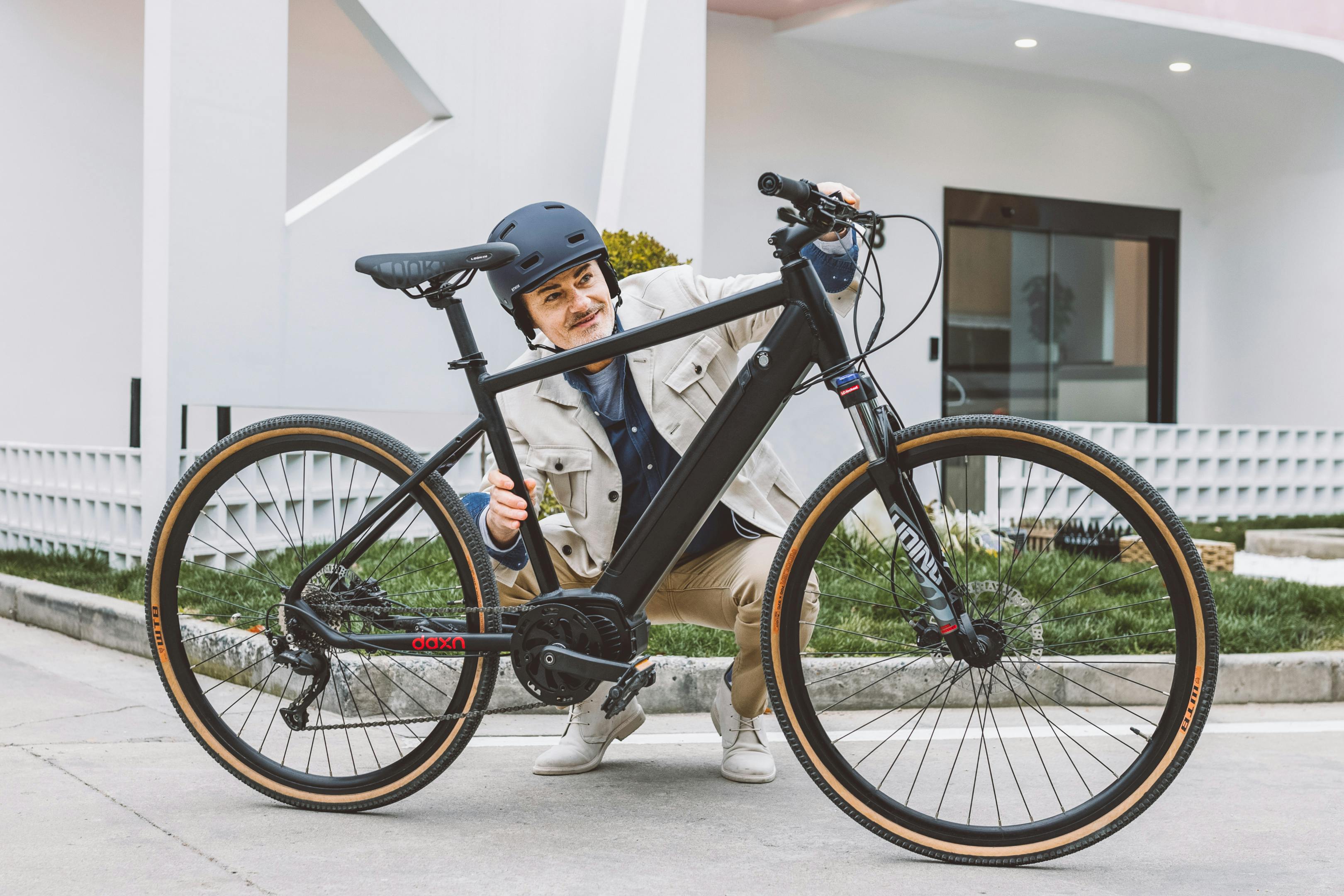
The battery primarily determines how long you can ride.
What to Look For
- Capacity in watt-hours (Wh)
- Position on the bike
- Ease of removal for charging
In Practice
|
Battery Capacity |
Typical Use |
Realistic Range |
|---|---|---|
|
400–500 Wh |
City, short trips |
40 to 70 km |
|
625–750 Wh |
Mixed, moderate trails |
60 to 100 km |
|
800 Wh + |
Mountain, long rides |
80 km + |
For technical rides and the elevation of the Laurentians, electric mountain bike models are often equipped with more powerful batteries to maintain good range even on demanding terrain.
The Motor: The Heart of Assistance
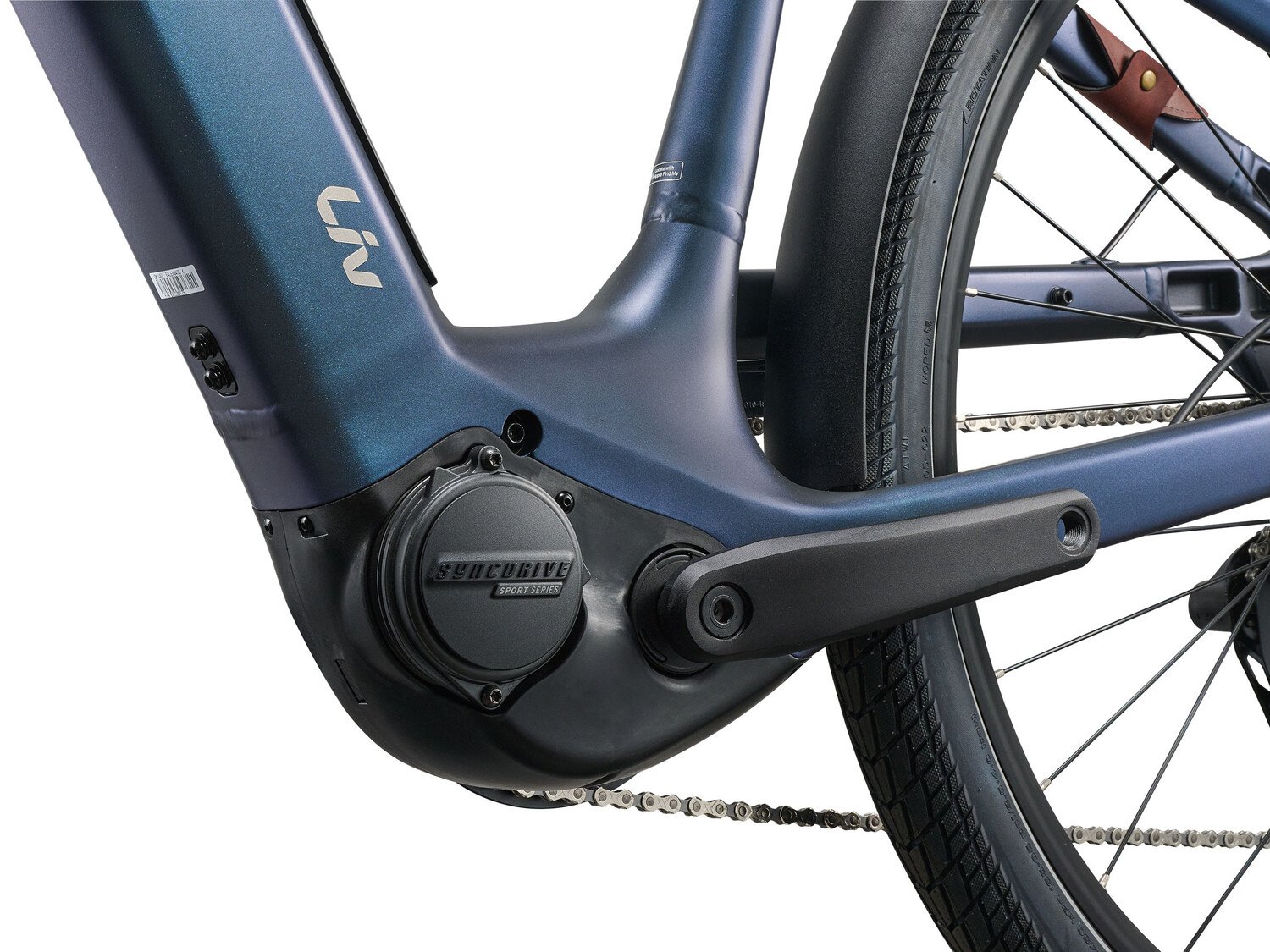
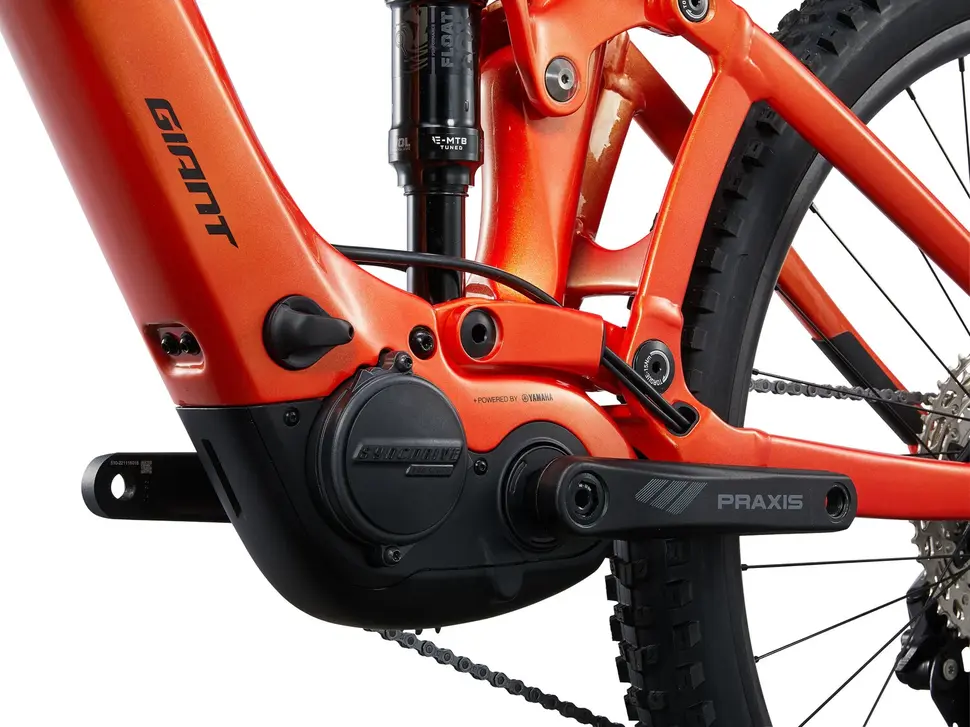
The motor determines how assistance is delivered.
The Two Main Types
- Mid-drive motor (crank) - More natural, more powerful, ideal for mountains
- Hub motor (wheel) - Simpler, often on urban bikes
In performance models, the mid-drive motor largely dominates.
Torque: The Real Sensation of Power
Torque, expressed in Nm (newton-meters), indicates how forcefully the motor helps you pedal, especially on climbs.
Simple Benchmarks
|
Motor Torque |
Climbing Feel |
Recommended Use |
|---|---|---|
|
40–50 Nm |
Light assistance |
City, flat |
|
60–70 Nm |
Good power |
Versatile use |
|
80 Nm + |
Very powerful |
Mountain, technical trails |
Bikes designed for electric mountain biking generally offer high torque to tackle slopes without effort.
How to Choose Based on Your Use
For City and Bike Paths
Hybrid electric bikes often prioritize:
- decent range
- smooth motor
- moderate torque
Ideal for daily commutes.
For Trails and Elevation
Electric MTBs focus on:
- large battery
- powerful mid-drive motor
- high torque
Perfect for fully enjoying Laurentians terrain.
Quick Component Summary
|
Bike Type |
Typical Battery |
Motor Torque |
Main Use |
|---|---|---|---|
|
Hybrid electric |
400–625 Wh |
40–60 Nm |
City, leisure |
|
Gravel electric |
500–750 Wh |
50–70 Nm |
Long distances |
|
Mountain electric |
625–800 Wh+ |
70–90 Nm+ |
Technical trails |
Useful FAQ
Does a large battery make the bike heavy?
Yes, a bit, but the motor largely compensates for this weight while riding.
Does more torque drain the battery faster?
Yes, but it also allows you to tackle climbs more easily and efficiently.
Can you change the battery later?
On several models, yes.
Conclusion
The battery determines distance. The motor influences smoothness. Torque defines climbing power.
By understanding these three elements, you choose an electric bike truly suited to your use, whether for bike paths, gravel roads, or technical trails in the Laurentians.
The RST Vélosports team can help you compare models and find the one that matches your terrain, level, and goals.
A good technical choice completely transforms the riding experience.
Recent articles
View all